

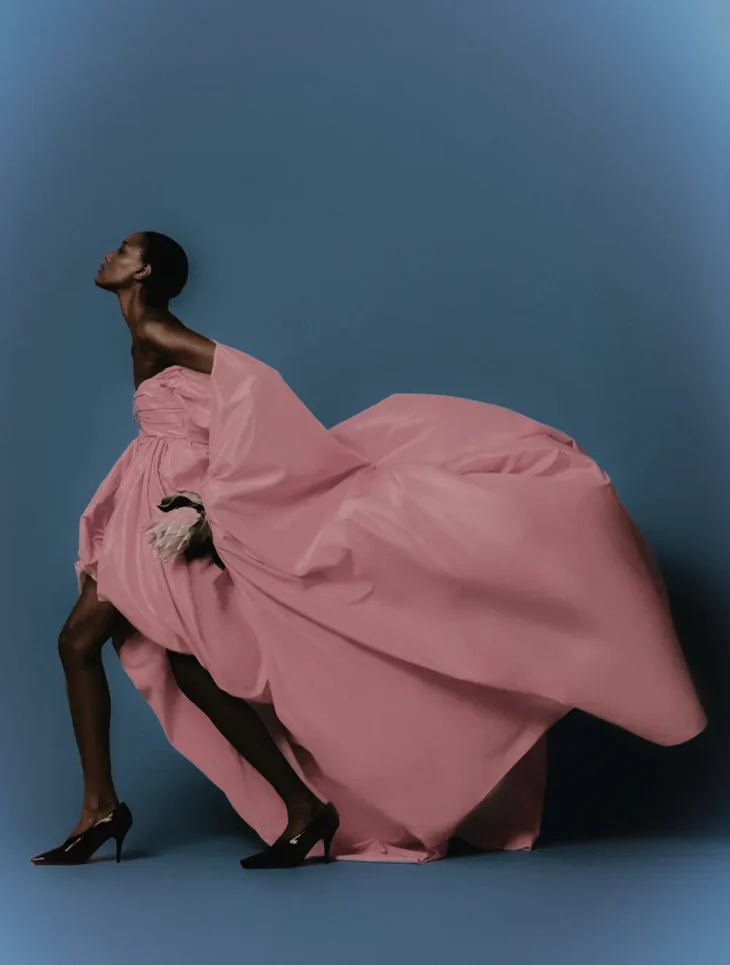
Recent collections have returned attention to the statement dress, with designers using draping, altered waistlines, sculpted volume, lace, feathers, embroidery and saturated color to give eveningwear a stronger identity.
For weddings, dinners, galas, premieres and evening receptions, that kind of dress offers a defined starting point. Styling then shapes the final result through jewelry, shoes, hair and makeup, allowing the wearer to adapt the look to the setting.
Eveningwear With a Point of View
A statement dress can draw its character from many places: an open neckline, dense embroidery, feathers, saturated color or fabric that changes under evening light. That range gives eveningwear room for very different moods, from sleek and graphic to decorative or romantic.
Valentino designer dresses offer one current example of how the statement dress appears within contemporary eveningwear.
Personal preference ultimately determines which version feels right. Some people gravitate toward cleaner lines and stronger color, while others prefer lace, embroidery, feathers or richer surfaces. The choice often starts with the element that feels most convincing on the wearer and appropriate for the event.
That specificity also separates a memorable evening look from generic formalwear. Length plays a role, though it rarely defines the effect by itself. Cocktail dresses can create as much impact as gowns through fabric, neckline or detail, while longer styles can rely on simplicity and proportion.
Proportion Changes the Effect
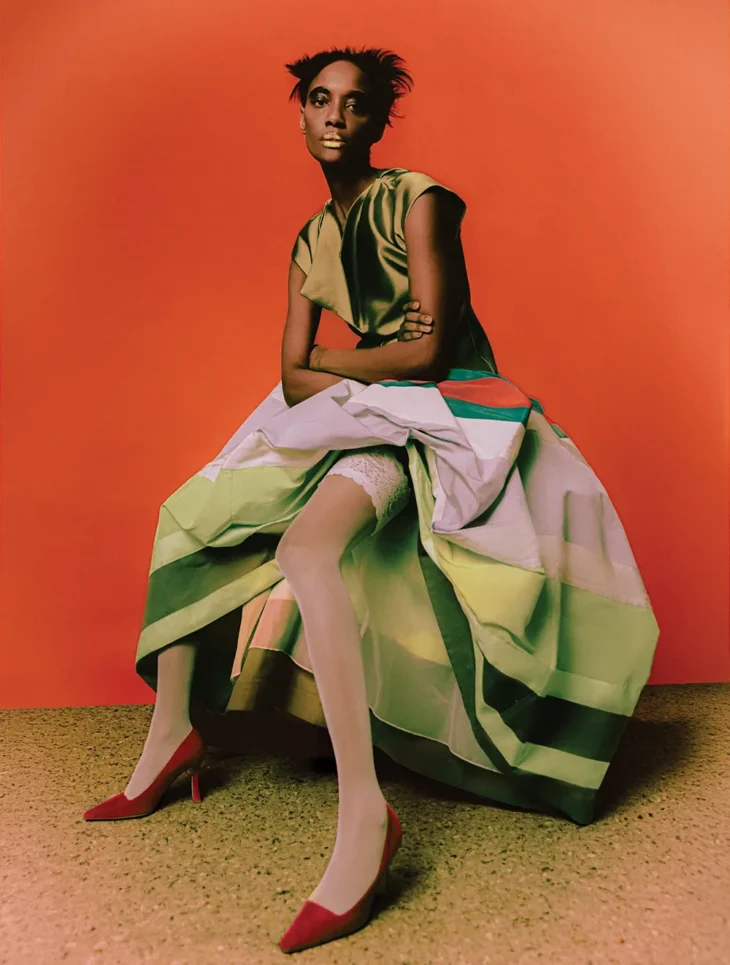
Waist placement, sleeve volume and skirt shape can alter the silhouette dramatically. A dropped waist lengthens the torso and shifts the dress lower on the body. Volume around the hips creates a broader outline, while a close-fitting column follows the figure in a continuous line.
Draping changes the silhouette through direction. Fabric gathered at one side can create asymmetry through the waist or hip, while diagonal folds draw the eye through the body. Sleeves can widen the shoulders, soften the upper silhouette or become a defining feature of the dress.
These changes become especially important during fitting. Heel height affects the way a long hem falls, while adjustments at the waist or shoulder can change the overall proportion of the dress. Even small alterations can make the silhouette feel significantly different on the wearer.
Fabric Changes After Dark
Evening settings reveal fabric in particular ways. Satin catches light along folds and draped sections. Velvet gives dark shades greater depth. Lace creates pattern through open areas. Sequins and metallic finishes respond strongly to direct lighting, while feathers create texture around hems, sleeves and necklines.
Color changes with the material. Red satin creates a brighter surface than red velvet. Black lace emphasizes pattern, while black crepe draws attention toward cut. Pale shades can reveal pleats and folds clearly as shadows form over the fabric.
These differences make material an important part of choosing eveningwear. A person drawn to texture may prefer lace, embroidery or feathers. Someone interested in a cleaner line may respond to satin, crepe or velvet. The fabric affects the way the dress looks in photographs, under restaurant lighting and throughout an evening indoors.
How to Style a Statement Dress
Jewelry, shoes, bags, hair and makeup can change the way a statement dress reads. A strapless black dress, for example, can take a sculptural earring and a compact metallic clutch, while a heavily embroidered neckline may work better with bare skin at the neck and smaller earrings. A satin column in a saturated shade can carry a minimal sandal, while a feathered cocktail dress can pair with a simpler shoe and bag to keep the texture of the dress in focus.
Footwear can also change the look. A pointed pump gives a softer dress a sharper finish, while a barely-there sandal keeps the look lighter. With midi lengths, the shoe becomes fully visible, so shape and material matter more. A velvet dress can work with satin or metallic footwear, while a smooth crepe dress can handle a shoe with more texture.
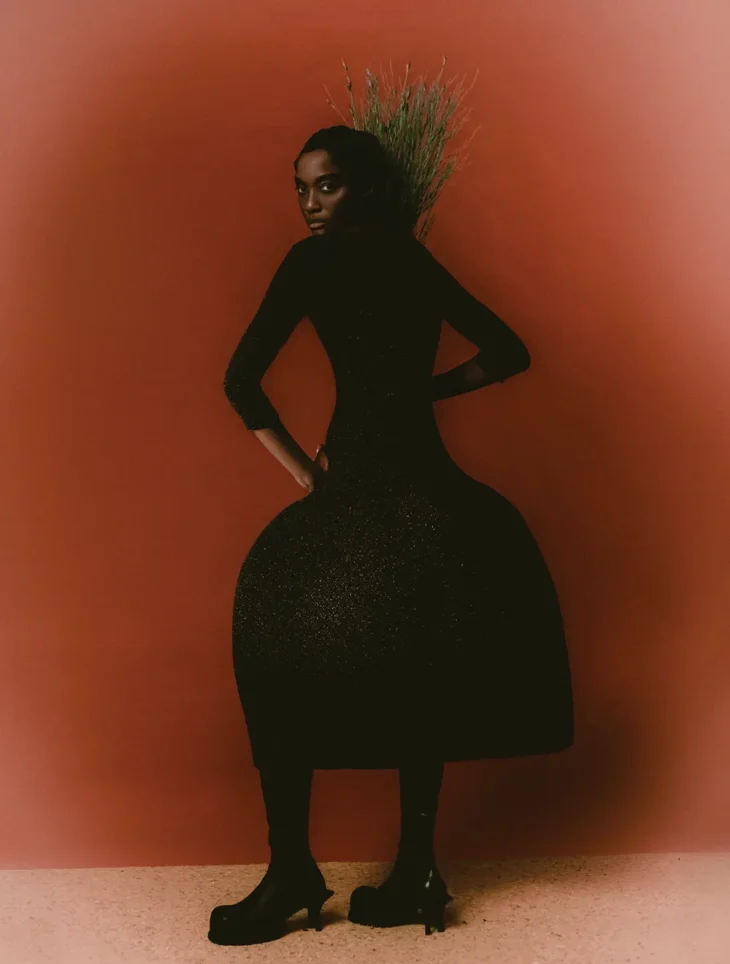
Bags work in the same way. A crystal or embellished clutch can add interest to a cleaner dress, while a feathered or embroidered style may pair better with a simple satin or leather bag. The most useful styling comes from looking at what the dress already does, then choosing accessories that either reinforce that direction or create one deliberate contrast.
Hair can change the proportions around the neckline and shoulders. An updo exposes an open back, sculpted collar or detailed shoulder. Loose hair can soften a sharper neckline or add volume around a fitted dress. Makeup can continue the same idea through color. A red lip can pick up a saturated shade in the dress, while metallic or neutral eye makeup can support heavily embellished fabrics.
The strongest fashion styling choices come from reading the dress as a whole, then deciding where the look needs emphasis and where it benefits from restraint.
Dress for the Setting
The venue can influence the final choice as much as the dress code. A long train suits a spacious interior differently from a garden or gravel courtyard. Fuller skirts need space around tables and chairs. Heavy fabrics can feel warmer during crowded indoor events, while lighter materials suit warmer conditions.
Comfort also deserves attention during fittings. Sit down in the dress, walk at a normal pace and try it with the shoes planned for the event. Check the neckline from several angles and carry the bag for a few minutes. These simple tests reveal how the complete look functions over several hours.
A statement dress works best when its design is clear and the styling reflects the person wearing it.