
Marc Jacobs Beauty has reentered the comeback conversation through a single line in a New York Fashion Week show credit. At the recent Marc Jacobs runway presentation, the beauty partner listed Marc Jacobs Beauty. Marc Jacobs confirmed the credit himself. No press release followed. No product images surfaced. Still, that small detail reignited long-standing speculation around the brand’s future.
NEWS
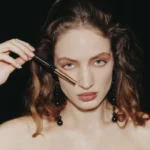
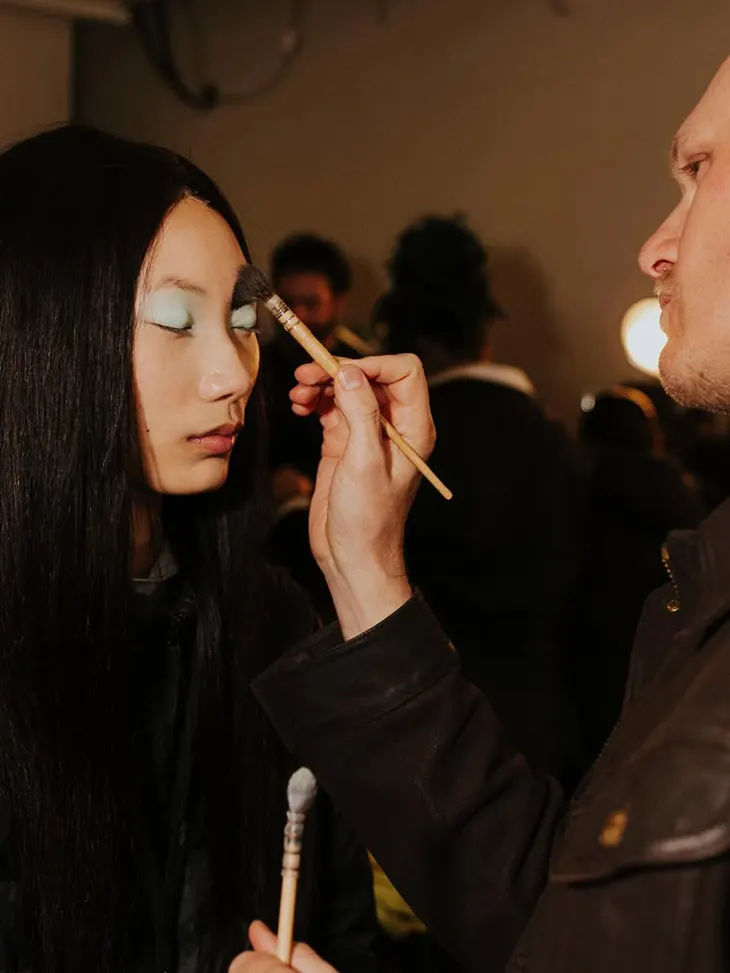
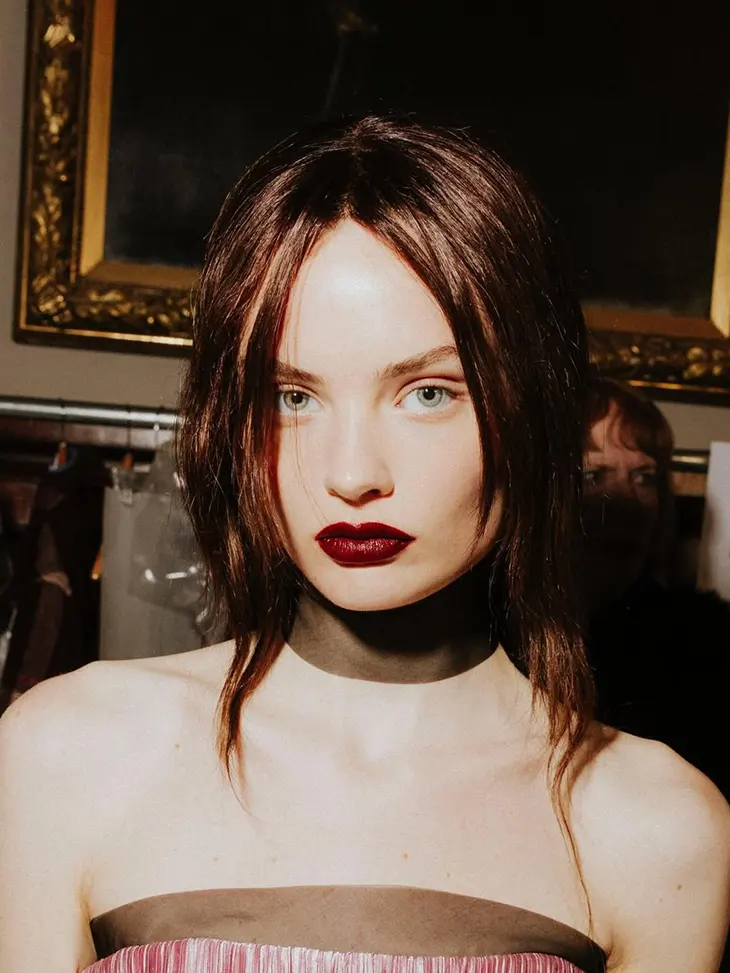
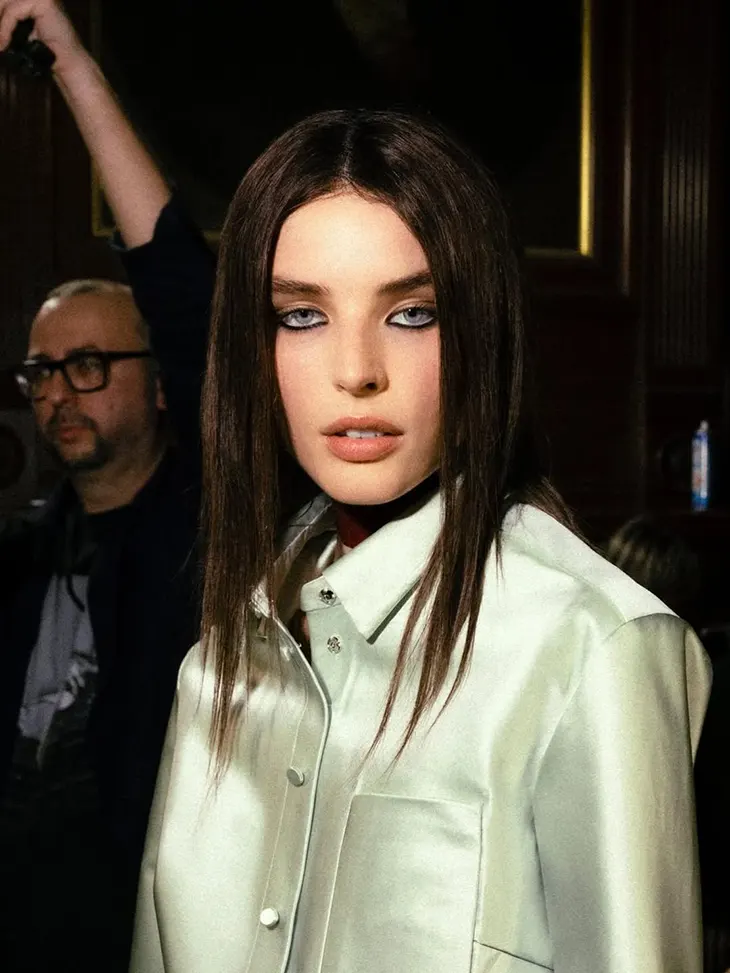
Makeup artist Thomas DeKluyver, led the show’s beauty direction. He built a look grounded in pastel shadow, concentrated pink blush, thick black liner, and oxblood lips. The runway images circulated quickly, and viewers focused on the credit as much as the makeup itself.
View this post on Instagram
Marc Jacobs Beauty first launched in 2013 as a joint venture with Kendo Brands, the incubator behind Fenty Beauty. The line gained traction fast. Certain products reached cult status. The Coconut Primer sold out repeatedly. The mascara earned a strong reputation. Jumbo bronzers and kohl liners built loyal followings. The brand positioned itself close to fashion, with bold color stories and a focus on dewy, healthy-looking skin.
In 2021, the makeup line discontinued without extensive explanation. The fragrance portfolio continued under licensing agreements, though the cosmetics vanished from shelves. Fans expressed confusion and disappointment.
In 2023, Business of Fashion reported that the brand would return under a new agreement with Coty, which holds licensing rights to the fragrance portfolio. The report suggested renewed plans, though concrete updates never followed. Industry coverage also noted financial strain at Coty and discussions around potential portfolio changes. Since then, official silence has defined the situation.
That runway credit now reads as a signal, though it remains subtle. If DeKluyver used Marc Jacobs Beauty formulas backstage, those products exist in some form. Whether they match the original formulas remains unclear. No confirmed launch date has appeared. No product lineup has surfaced.
The beauty market looks different from 2013. New brands dominate conversation. Social media drives rapid cycles of attention. Performance, finish, and texture remain central, though consumer expectations have shifted. A potential return would enter a competitive field shaped by founders, influencers, and science-driven marketing. The original Marc Jacobs Beauty succeeded through strong branding and reliable formulas. Any new iteration would face pressure to meet those earlier standards while addressing current demands.
Until an official announcement arrives, the brand occupies a space defined by anticipation and inference, sustained by a single runway moment that suggests movement without declaring it outright.