
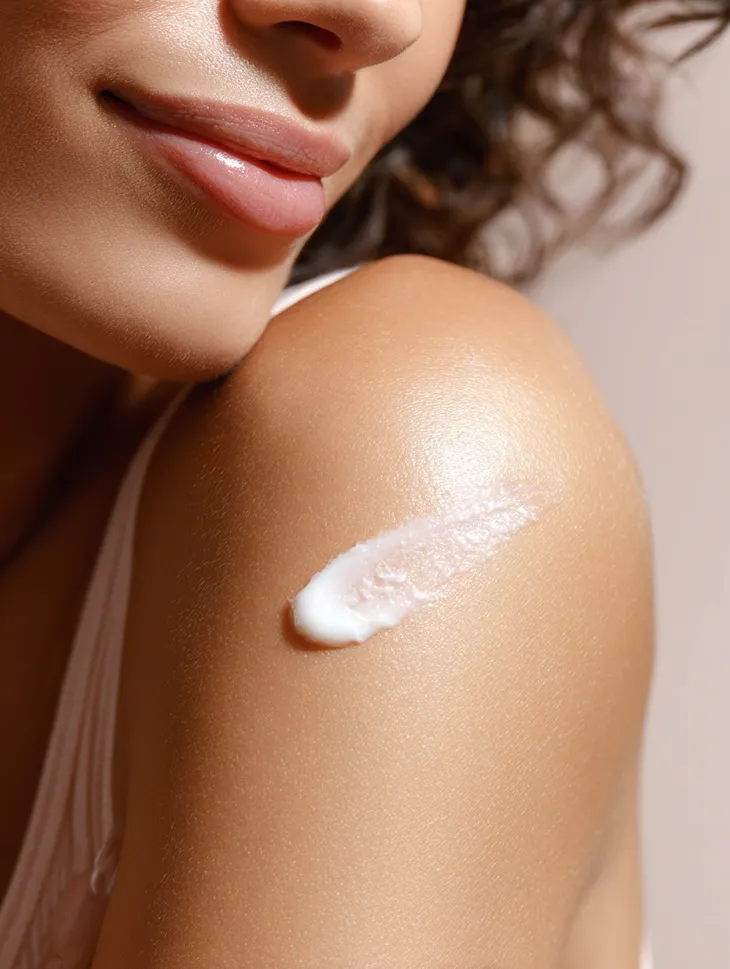
Taking care of your skin doesn’t need to feel complicated or time-consuming. A simple step like using a hydrating body milk may help your skin feel softer and look more radiant, without adding heavy layers. This lightweight, nourishing product is designed to support the skin’s surface with moisture that could improve comfort and texture, leaving skin soft and supple. When used consistently, it might make your skin feel healthier and help maintain a natural, subtle glow.
Why Hydrating Body Milk Could Transform Your Skin Care
A hydrating body milk may offer a balance of moisture and lightness that heavier creams don’t. Its fluid texture allows it to spread easily and may help the skin feel more comfortable while supporting the moisture barrier.
Using it regularly might support the skin’s barrier. Dry areas often lose hydration quickly, and a well-formulated milk could help maintain multi-layer hydration in these spots.
Beyond hydration, consistent use may improve skin texture. Rough or uneven areas could feel softer, while overall skin may look smoother and more balanced over time.

Choosing a Formula That Suits Your Skin
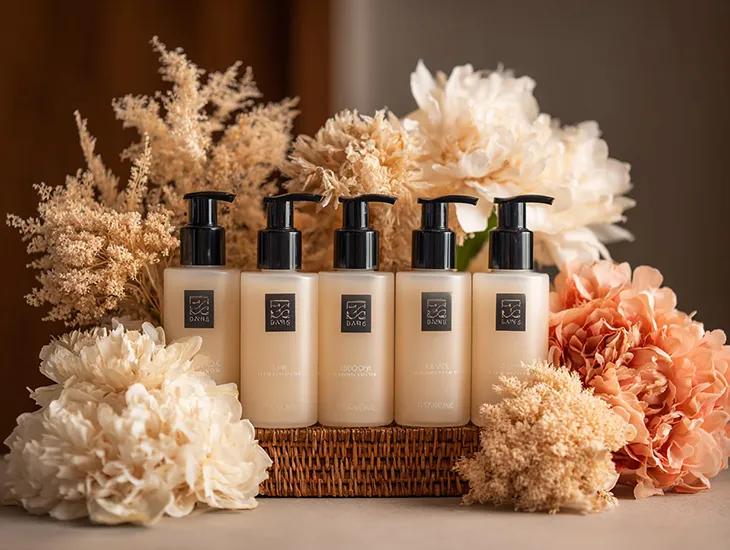
Not all body milks are the same. Look for ingredients like glycerin or hyaluronic acid, which are known for their ability to attract moisture and help keep it close to the skin’s surface. Hyaluronic acid, in particular, can hold a significant amount of water relative to its size, which may support hydration and leave skin feeling more comfortable.
Ingredients like shea butter, cocoa butter, mango seed butter, coconut oil, or coconut milk may add extra nourishment without leaving a greasy residue, making it easier to maintain a consistent body care routine. If your skin is sensitive or varies across skin types, consider fragrance-free or lightly scented formulas with gentle essential oils.
Lightweight textures might be easier to absorb, leaving silky smooth skin and improving comfort throughout the day. Seasonal changes may also influence your choice. A lighter milk may feel refreshing in warm weather, while slightly richer formulas could help during colder, drier months.
Applying Body Milk for Best Results
Timing and technique could make a difference. According to dermatologists, applying hydrating body milk right after showering, while skin is still slightly damp, may improve how well it absorbs. Moisture on the skin’s surface gives hydrating ingredients something to work with, while barrier-supporting ingredients may help slow moisture loss.
Limiting extended sun exposure could also protect hydration and help the skin feel more comfortable. Focus on areas prone to dryness, such as elbows, knees, and feet. These spots tend to lose hydration faster and may feel rough if they’re overlooked. Giving them a bit more attention could improve overall comfort and skin feel.
Use gentle, upward strokes to apply the product evenly. This approach may help with absorption while keeping the skin comfortable. Taking a moment to apply body milk with care can also make the routine feel more intentional and easier to maintain.
Making Hydration a Daily Habit
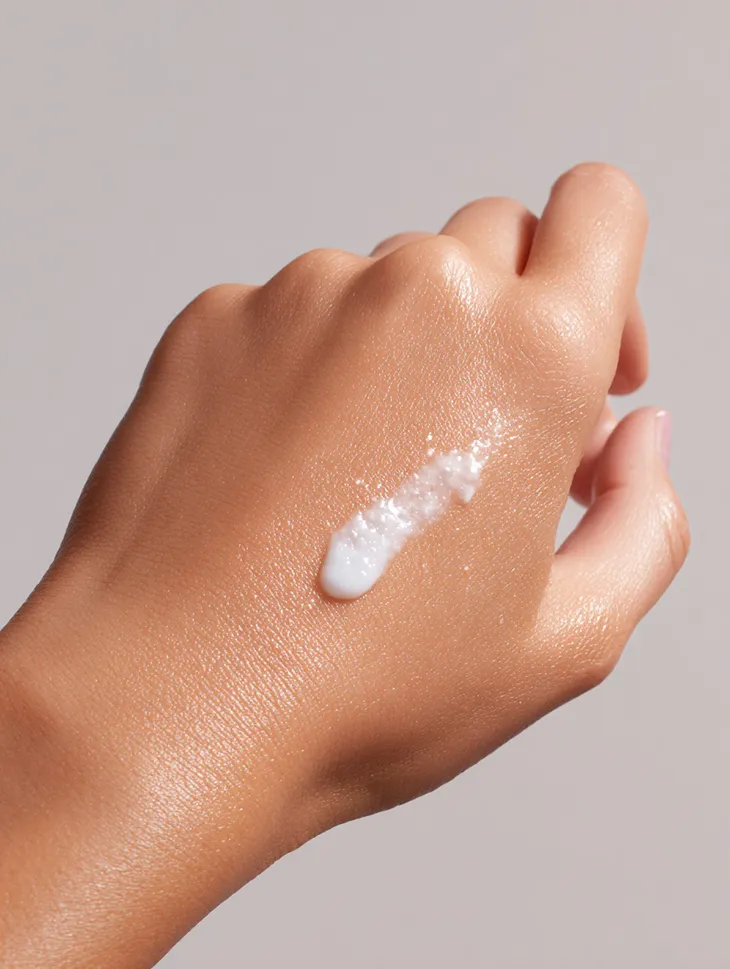
Consistency is more important than applying large amounts at once. Keeping body milk within reach by the shower or bedside could encourage daily use without thinking about it and help avoid dry skin.
Small, regular applications may be more effective than occasional heavy use, as they help maintain hydration throughout the day. Turning this into a simple, repeatable routine makes it easier to care for your skin consistently.
Pay attention to how your skin responds to different amounts and textures of body milk. Notice changes in areas prone to dryness and give them a little extra care when needed. With consistent observation and adjustment, your skin may feel soft, comfortable, and naturally radiant every day.
Supporting Hydration Through Lifestyle
Hydration isn’t only about what you apply to your skin. Drinking enough water and eating nutrient-rich foods may help skin feel plumper and appear healthier. Studies suggest that increasing daily water intake by around two liters may help improve skin hydration in those who typically drink less.
Environmental factors could also play a role. Using a humidifier or adjusting shower temperature may reduce moisture loss and keep skin feeling comfortable.
Sleep and stress may affect how skin responds to hydration as well. Rested skin might absorb products more effectively, while lower stress levels may reduce dryness or irritation.
Finally, a hydrating body milk is a practical addition to daily skin care. Applied thoughtfully, it may help the skin feel softer, look smoother, and maintain a natural glow. Combined with lifestyle habits like proper hydration, balanced nutrition, and adequate rest, regular use could support comfort and overall skin health. Taking a few minutes each day for hydration may make a noticeable difference in how your skin feels and appears.
