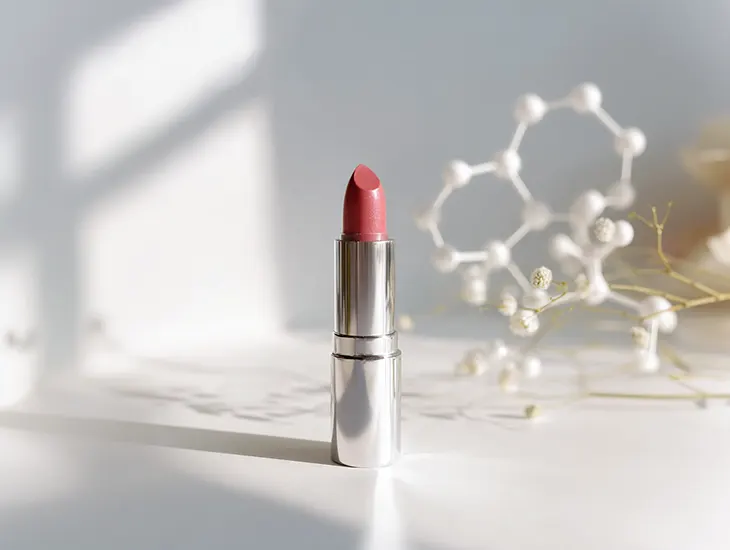

On January 1, 2026, France will enforce a landmark ban on the production, import, and sale of cosmetics, most clothing, and ski wax containing PFAS where safer alternatives are available. This legislation, passed in February 2025, positions France at the forefront of regulatory action against these hazardous chemicals. The ban excludes certain essential industrial textiles but covers a broad range of consumer products, notably cosmetics, a sector where PFAS have been used for their water-resistant and long-lasting properties.
LATEST NEWS FEATURES
Per- and polyfluoroalkyl substances (PFAS), often called “forever chemicals,” are a group of synthetic compounds introduced in the late 1940s. Valued for their non-stick, waterproof, and stain-resistant properties, PFAS have been widely used in everyday products, ranging from frying pans and carpets to umbrellas, dental floss, and notably, cosmetics and textiles. Their molecular stability means they are exceptionally resistant to breaking down, leading to persistent accumulation in soil, groundwater, and ultimately, the food chain. Today, PFAS contamination is detectable in nearly every environment on Earth, including remote locations like Mount Everest and within human bloodstreams.
Health Risks and Environmental Impact
Scientific research has established links between chronic exposure to PFAS, even at low levels, and a host of health concerns. These include liver damage, elevated cholesterol, weakened immune response, reduced birthweights, and increased risk of several cancers. The global reach of PFAS pollution has raised significant alarm among health authorities and environmental scientists.
While a proposed ban on non-stick cookware was ultimately removed after industry lobbying, the law mandates regular testing of drinking water for all PFAS variants, reflecting France’s commitment to public health and environmental safety.
International Context and Regulatory Momentum
France’s initiative is part of a growing international movement to restrict PFAS use. The Stockholm Convention on Persistent Organic Pollutants has prohibited specific PFAS compounds, such as perfluorooctanoic acid (PFOA) and perfluorooctane sulfonic acid (PFOS), since 2019 and 2009, respectively. However, major economies like China and the United States have not signed on to these bans.
In the United States, several states, including California, will prohibit intentional PFAS use in cosmetics starting in 2025, with additional states joining in 2026. Denmark is also advancing regulation, banning PFAS in clothing, footwear, and certain waterproof consumer goods from July 2026, and has already prohibited their use in food packaging since 2020.
The European Union is evaluating a comprehensive ban on PFAS in consumer products, but EU-wide legislation has yet to be enacted.
Implications for the Beauty Industry and Consumers
France’s PFAS ban signals a transformative shift for the cosmetics industry, compelling brands to reformulate products and prioritize consumer safety. As awareness of the risks associated with “forever chemicals” grows, transparency in ingredient sourcing and a commitment to clean beauty are becoming central to brand reputation and consumer trust. The French law is expected to accelerate innovation in PFAS-free formulations and inspire similar regulatory action worldwide.
