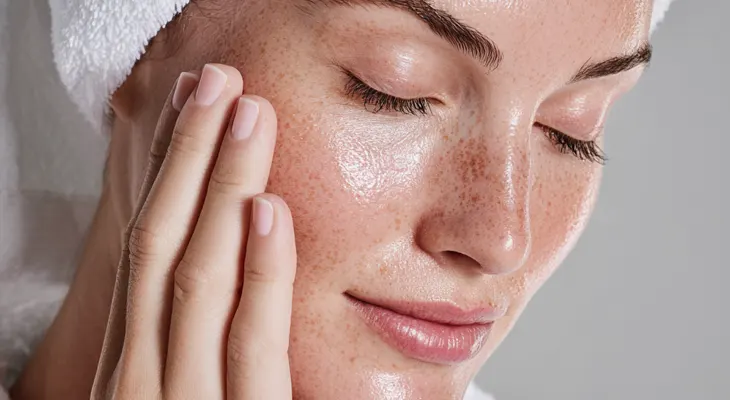

Winter skin has a reputation for crisis. Tightness becomes urgency. Dryness gets framed as failure. Entire routines are rebuilt the moment temperatures drop. The problem is rarely the season itself, but how aggressively skin is asked to adapt. Winter does not require rescue. It requires restraint, consistency, and fewer interruptions.
SKINCARE
The most common winter mistake is overcorrection. Rich creams arrive overnight, acids disappear without transition, and skin is forced into too many changes at once. Barrier stress often comes from excess. Winter skincare works best when it simplifies. One cleanser that stays gentle. One serum that supports recovery. One moisturizer that seals without weight.
Cleansing should feel comfortable, not clarifying
Foaming cleansers that felt fine in summer often strip skin once humidity drops. Winter favors low-lather or cream formulas that remove residue without leaving skin tight. If your face feels squeaky clean, the barrier is already compromised. Comfort matters more than that freshly washed feeling.
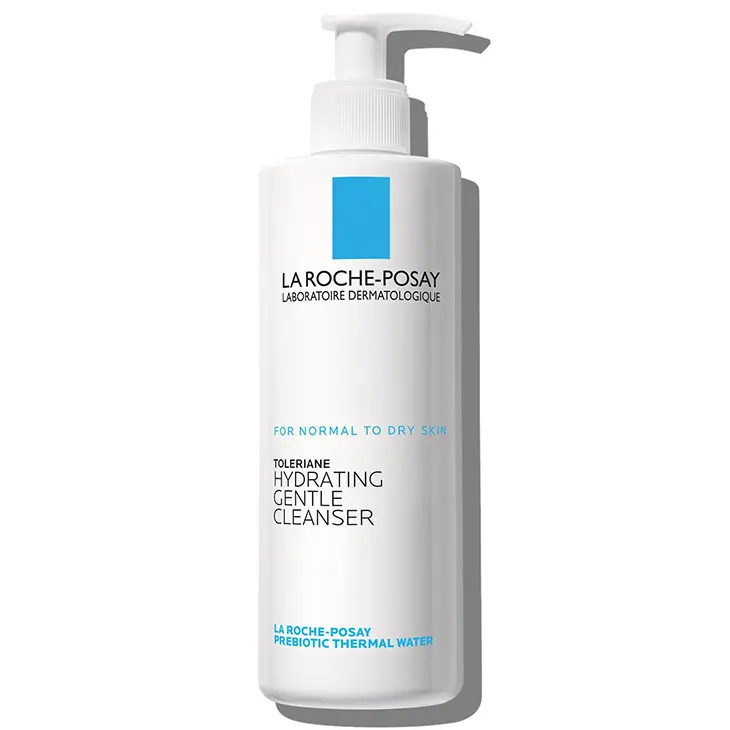
Product: La Roche-Posay Toleriane Hydrating Gentle Cleanser – mild and soothing for colder weather.

Hydration is about holding on, not adding more
Cold weather shifts hydration needs. Lightweight serums still matter, but only when followed by something that locks them in. Texture becomes critical here. Winter moisturizers should feel supportive and disappear into skin, not sit on the surface. The goal is balance, not gloss.
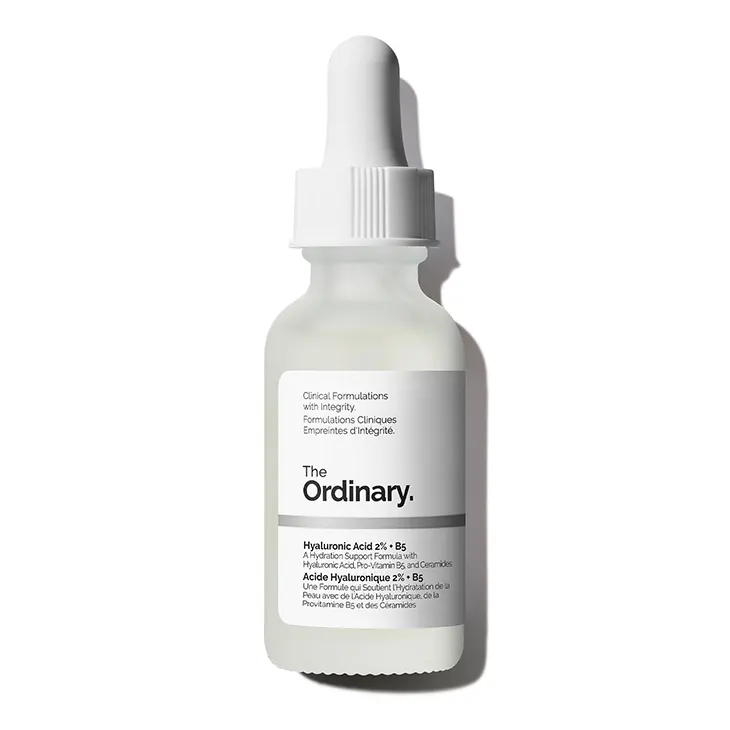
Product: The Ordinary Hyaluronic Acid 2% + B5 – lightweight yet deeply hydrating; pairs well with an occlusive cream.
Exfoliation needs distance, not intensity
Exfoliation does not need to stop, but it does need to slow down. Daily acids can create sensitivity that shows up as redness or dullness rather than glow. Winter skin responds better to spacing things out. Once or twice a week is usually enough to maintain clarity without thinning the surface.
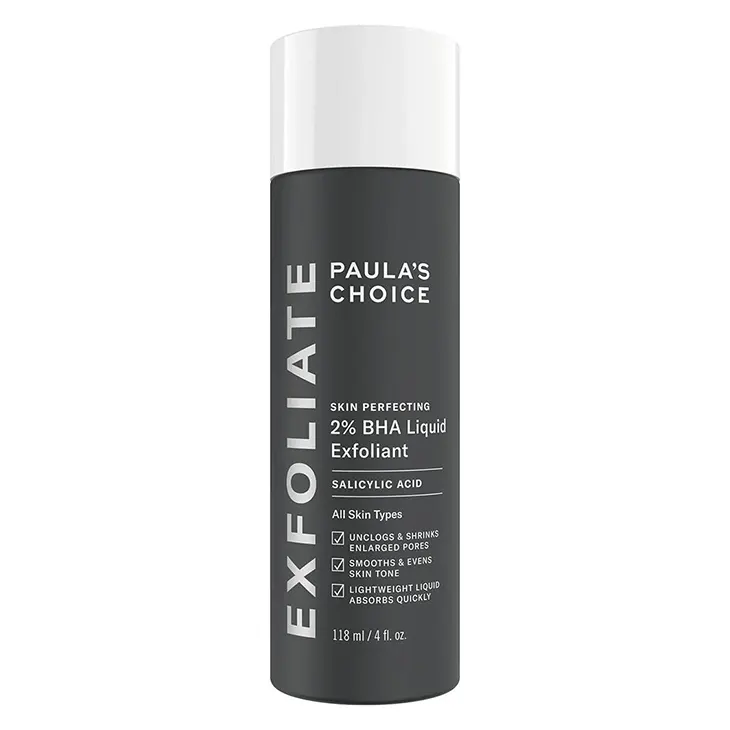
Product: Paula’s Choice 2% BHA Liquid Exfoliant – ideal for occasional, controlled exfoliation.
Use oils as protection, not treatment
Face oils often get misused in winter. They are not a replacement for hydration. They work best as a seal. A few drops pressed over moisturizer, especially at night, can reduce moisture loss and support recovery without overwhelming the skin.
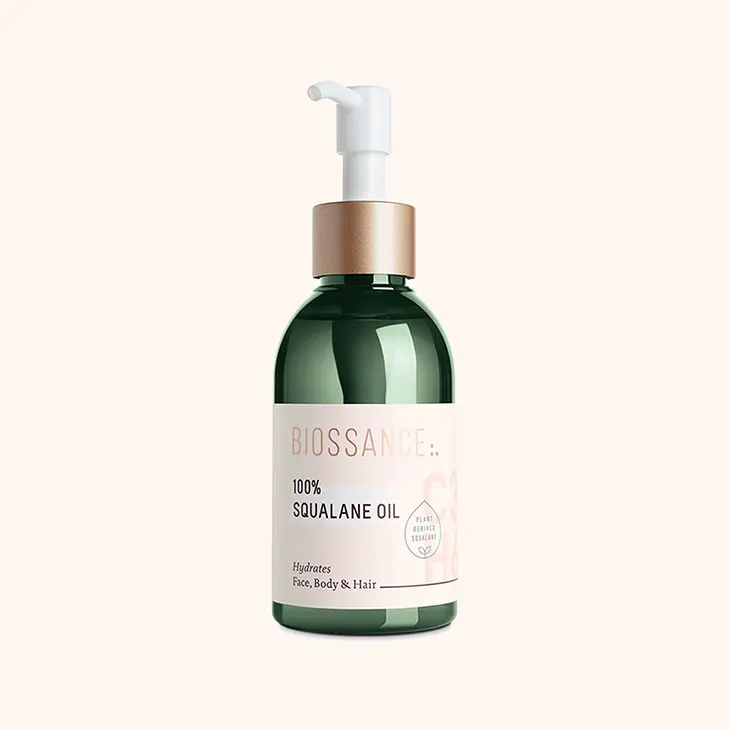
Product: Biossance 100% Squalane Oil – lightweight and stable, works as a final sealing step.
Masks should calm, not correct
Winter masks work when they focus on comfort. Skip anything promising instant brightness or resurfacing. Look for formulas that replenish and soothe. One good mask a week does more than daily product experimentation.
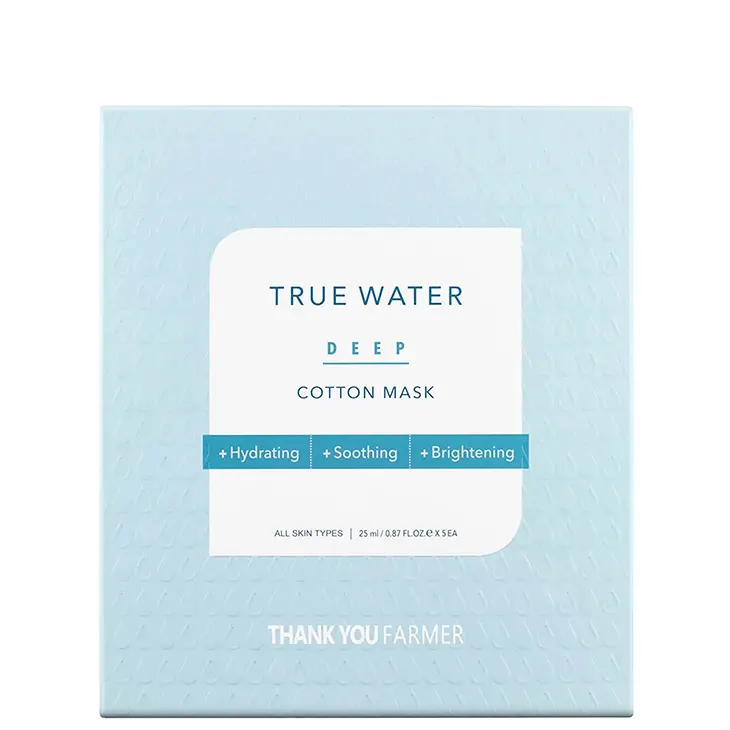
Product: Thank You Farmer True Water Deep Moisturizing Sheet Mask – a hydrating K-beauty sheet mask focused on pure moisture and barrier comfort.
Let makeup adjust to the season
Heavy matte bases exaggerate dryness. Winter skin reads better with satin finishes that move naturally with the face. Cream blushes, skin-like concealers, and hydrated lips look more convincing than full coverage and powder layers.
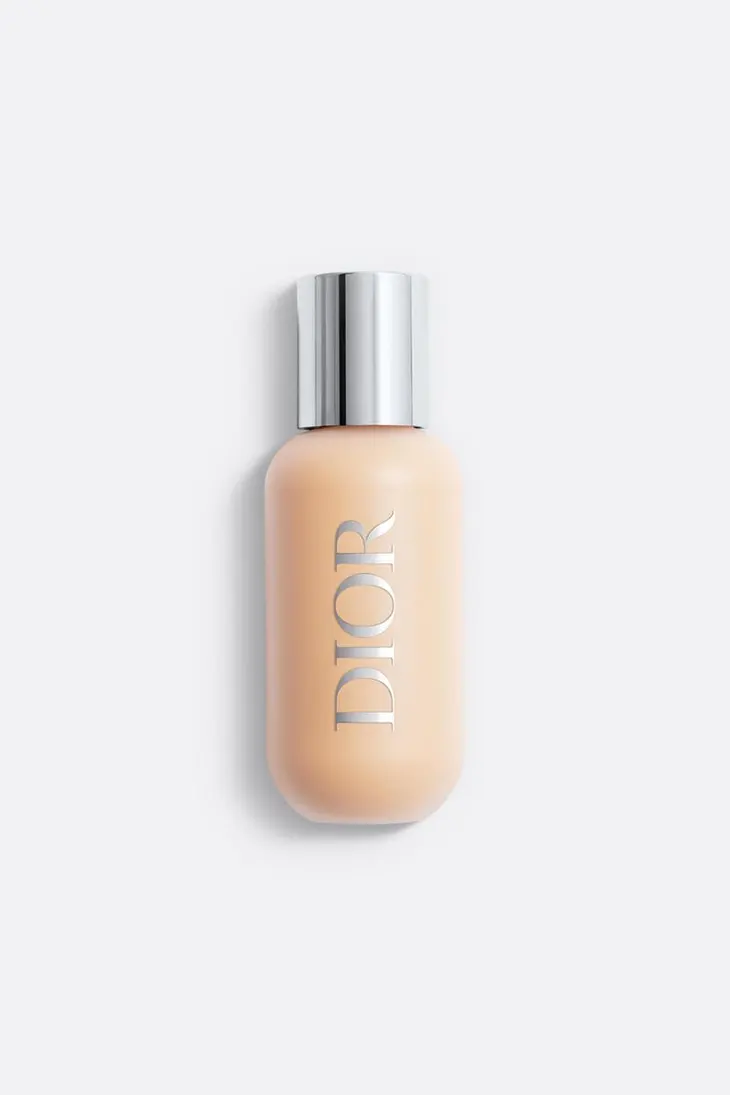
Product: Dior Backstage Face & Body Foundation (Satin Finish) – A satin-finish foundation that looks natural and hydrated in winter light.

Accept that skin changes with the season
Cold air, indoor heating, and reduced daylight all affect how skin behaves. Expecting summer performance in winter conditions leads to frustration. Winter skin looks best when it is allowed to change, slow down, and recover.
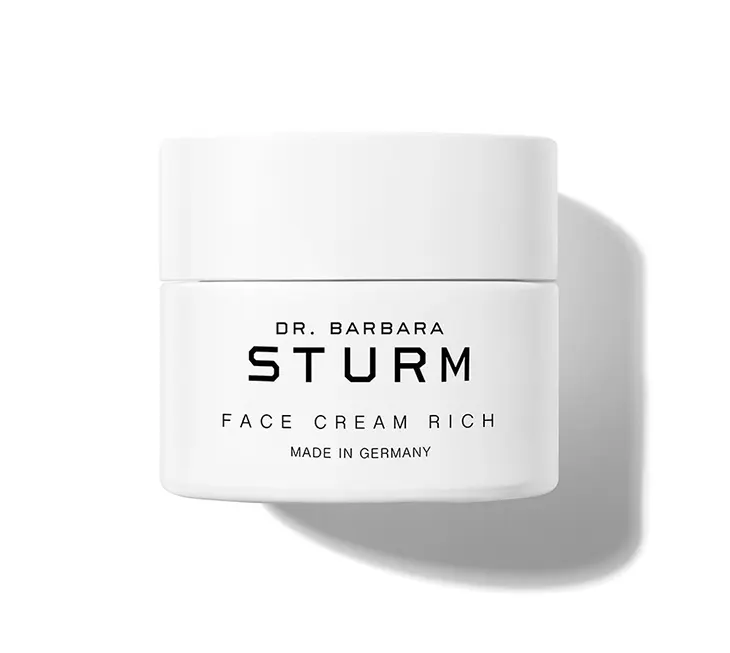
Product: Dr. Barbara Sturm Face Cream Rich – A composed winter moisturizer that focuses on comfort and stability.

Winter skin does not need intensity. It needs patience. Consistency replaces correction. Comfort replaces urgency. The healthiest skin in winter is usually the one that was left alone just enough to recover on its own terms.
