
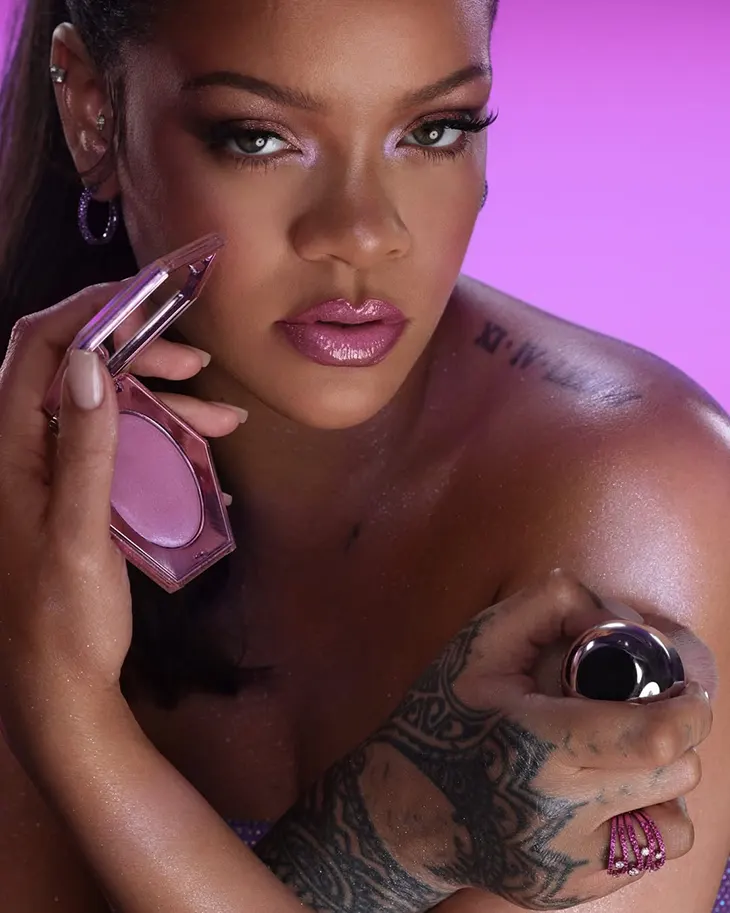
When Fenty Beauty launched in 2017, it changed the beauty industry almost overnight. Forty foundation shades forced competitors to rethink inclusivity, retailers expanded complexion ranges across the board, and “The Fenty Effect” became one of the defining business stories of modern cosmetics. Within weeks, brands that had ignored darker skin tones suddenly found themselves racing to catch up.
Nearly a decade later, Fenty no longer looks like the industry’s disruptor. Instead, it resembles the establishment. The problem isn’t that the products have become bad. Many remain genuinely excellent. Gloss Bomb still performs well. Match Stix retain a loyal audience. Pro Filt’r remains a respected complexion line.

The issue is that none of those products feel culturally urgent anymore. When Rihanna launched Fenty, almost every release generated conversation. Killawatt highlighters became instant icons. Body Lava dominated Instagram. Diamond Bomb reshaped holiday launches. Packaging felt fresh. Formulas felt different. Every launch seemed connected to Rihanna’s personality.
That energy has faded. Recent launches have largely followed existing beauty trends instead of creating them. Lip oils arrived after lip oils had already saturated the market. Cream blushes entered a category now dominated by Rare Beauty, Patrick Ta and Makeup by Mario. Skin care expanded without producing a breakout product comparable to Pro Filt’r or Gloss Bomb.
Ironically, Fenty now faces the same challenge it once created for everyone else. The rest of the industry caught up. Expanded shade ranges are no longer unique. Inclusive campaigns have become standard practice across prestige beauty. Consumers who once had only one option now have dozens.
The market also looks very different from 2017. Beauty experienced explosive post-pandemic growth, but that momentum has slowed. Consumers have become more selective, retailers have tightened inventory, and brands increasingly compete for attention in an overcrowded launch calendar.

Community sentiment reflects that shift. Across beauty forums, shoppers increasingly describe the brand as predictable, noting repeated discounts, discontinued products, fewer standout launches and a sense that newer competitors have overtaken Fenty in innovation. While anecdotal, these conversations show a recurring perception among engaged beauty consumers.
At the same time, reports that LVMH has explored selling its stake in Fenty Beauty have intensified speculation about the brand’s next phase, although neither development alone proves long-term decline.
Rihanna herself may also be part of the equation. The original success of Fenty depended on Rihanna’s constant cultural presence. Today, her focus stretches across motherhood, Savage X Fenty, Fenty Skin, Fenty Hair, fragrances, and numerous business ventures. The beauty brand feels less connected to her personal influence than it once did.
Meanwhile, competitors have become sharper. Rare Beauty built a powerful emotional identity around mental health and community. Rhode transformed minimalist skincare into a lifestyle phenomenon. Makeup by Mario positioned itself around professional artistry. Patrick Ta owns the sculpted complexion conversation.

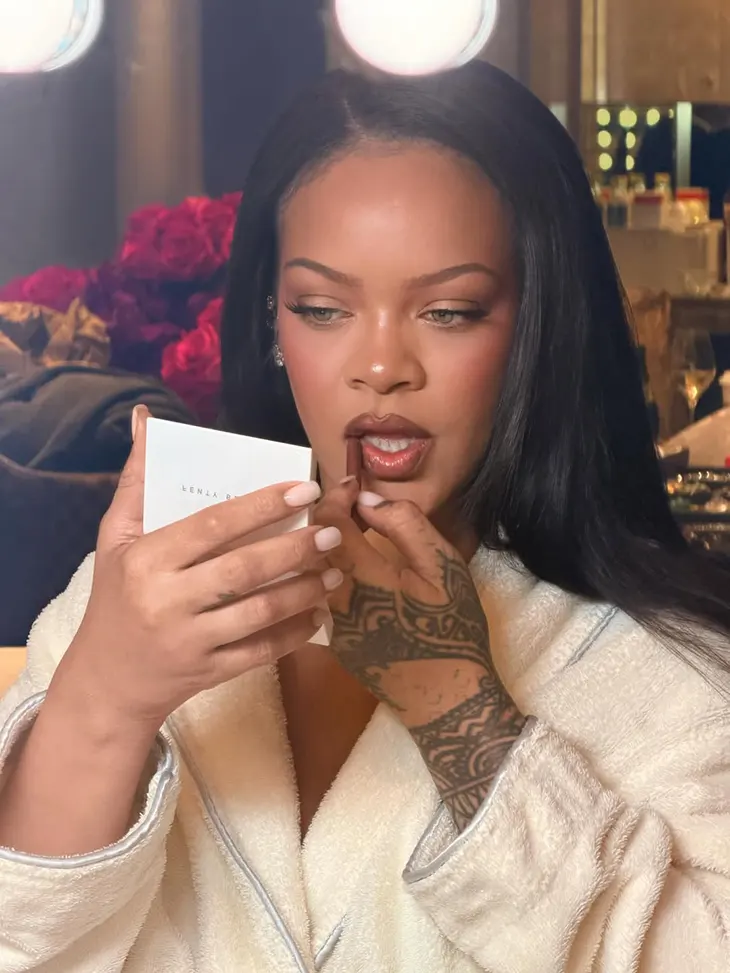
Fenty no longer clearly owns a category. That may be its biggest challenge. Being first is rarely enough to remain first.
None of this means Fenty Beauty has failed. It remains one of the most successful celebrity beauty brands ever created and one of the most influential launches in cosmetics history. Its impact on complexion inclusivity permanently changed the industry.
The question is no longer whether Fenty changed beauty. It unquestionably did. The question is whether the brand can surprise the industry again, or whether it has become the very kind of established beauty house it once disrupted.
