
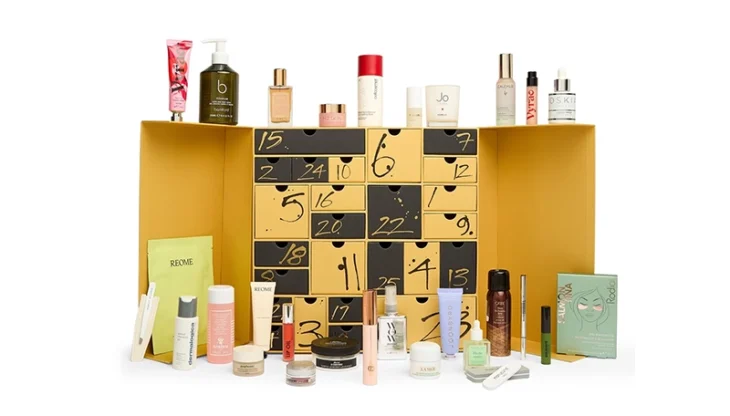
Somewhere along the way, the humble advent calendar became a luxury purchase. What once involved opening a cardboard window to discover a small piece of chocolate now requires several hundred dollars, considerable shelf space, and apparently, an audience on TikTok. Beauty brands have turned the traditional Christmas countdown into an elaborate retail event, complete with limited availability, impressive product valuations, and packaging designed to look particularly expensive on camera.
The question is whether we’re still buying beauty products or simply purchasing the pleasure of unwrapping them.

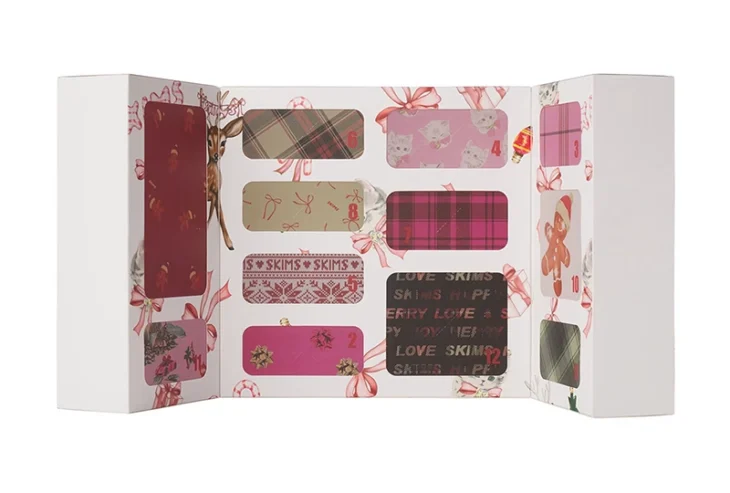
This year’s most revealing example comes from SKIMS. The brand’s $148 accessories advent calendar became a viral sensation for reasons its marketing team probably hadn’t anticipated. As TikTok users opened its twelve compartments, they discovered hair ties, bobby pins, keychains, small accessories, and a branded squishy toy. The disappointment was immediate, with unboxing videos attracting enormous attention.
The criticism eventually prompted SKIMS to offer dissatisfied customers refunds or store credit. The company acknowledged that the product had failed to meet expectations.
To be fair, SKIMS had marketed the calendar as an accessories collection, so customers weren’t promised twelve pieces of shapewear. Yet the controversy exposed something interesting about contemporary luxury shopping. A brand can explain exactly what it’s selling and still fail to justify what it’s charging.
A hair tie doesn’t become particularly exciting because it arrives behind a numbered cardboard door.

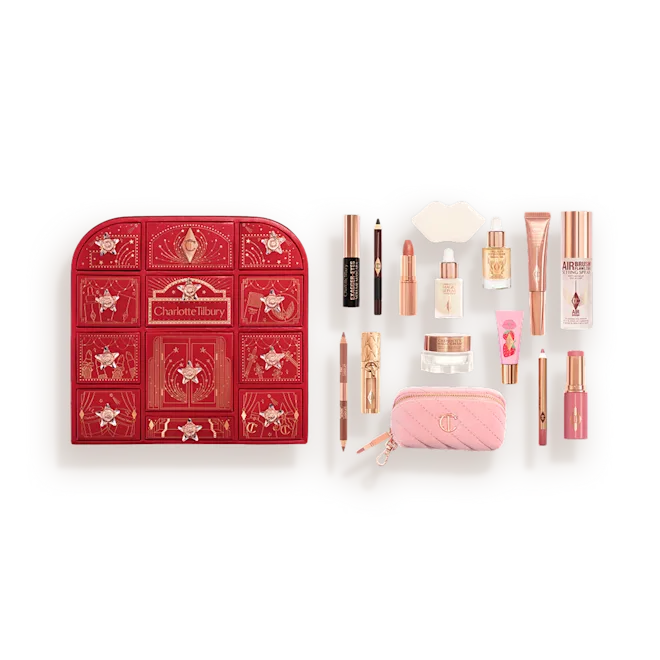
Beauty retailers have developed a more convincing version of the formula. Space NK’s 2026 calendar costs approximately $370 and contains 35 products, including 26 full-size items, with a claimed combined value exceeding $1,610. Charlotte Tilbury offers 15 products, for $220, advertising a value above $400.
These numbers certainly sound generous. But they depend on accepting the retailer’s suggested prices as a meaningful measure of personal value.
A $100 moisturiser is worth $100 at the checkout. Inside an advent calendar, however, its value depends on whether you actually want it. Add a lipstick in the wrong shade, a fragrance you dislike, and several products you already own, and the spectacular advertised savings begin to look less spectacular.
There is also something peculiar about purchasing thirty-five products in the name of discovering which ones you like. At a time when beauty brands increasingly discuss conscious consumption, the advent calendar encourages us to accumulate first and evaluate later.

There is also something peculiar about purchasing thirty-five products in the name of discovering which ones you like. At a time when beauty brands increasingly discuss conscious consumption, the advent calendar encourages us to accumulate first and evaluate later.
The modern advent calendar is practically designed for social media. Its compartments create suspense, its contents provide daily reveals, and the entire experience can be compressed into a highly watchable unboxing video.
The SKIMS controversy demonstrated how quickly that format can turn against a brand. A disappointing product becomes more entertaining with every door opened. The very mechanism designed to build anticipation becomes a public examination of value.
Of course, there is nothing wrong with enjoying beautiful packaging or the small ritual of opening something each morning. A well-curated calendar can introduce genuinely useful products at an attractive price.
But perhaps we’ve reached the point where the experience itself has become more expensive than the excitement it delivers.
Before spending several hundred dollars on twenty-five days of beauty surprises, it might be worth asking a fairly unromantic question: Would I buy these products if they weren’t hidden inside a beautiful box?
If the answer is no, perhaps the most luxurious Christmas gift is simply choosing what you actually want.
