
Beauty doesn’t need more noise in 2026. After years of accelerated trends, filtered perfection, and aesthetic overload, the industry reaches a point where subtraction feels more radical than addition. The question shifts from what’s new to what no longer makes sense.
BEAUTY
From overworked faces to routines built for performance rather than real life, these are the beauty trends that feel finished, ready to be retired in favor of clarity, restraint, and intention.
Algorithm-Driven Aesthetics
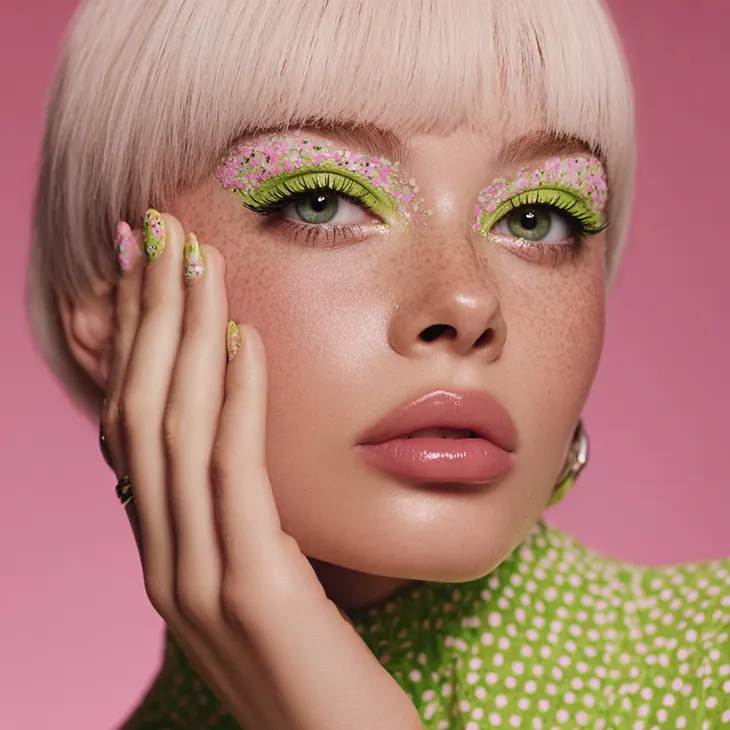
Micro-trends born on social platforms now cycle at a pace that leaves little room for meaning. One week’s “core” replaces the next before it can even settle. In 2026, the appeal of chasing aesthetics defined by hashtags fades. Beauty regains value when it connects to personal style, culture, and longevity, not when it exists to satisfy an endless scroll.
Overfilled, Overcorrected Faces
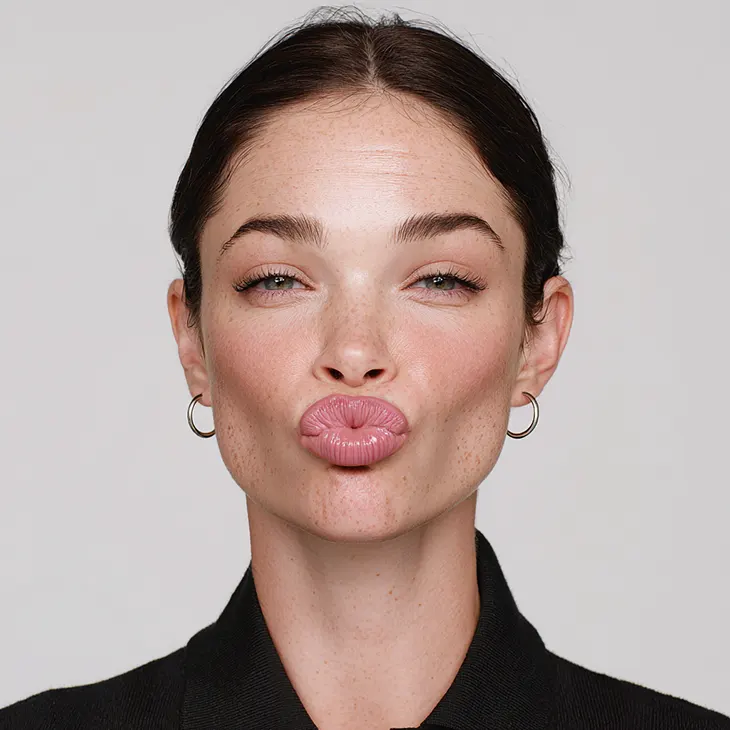
The era of exaggerated volume has reached its saturation point. Pillow lips, frozen foreheads, and aggressively lifted cheekbones no longer read as aspirational; they signal fatigue with aesthetic uniformity. In 2026, beauty shifts toward faces that move, age, and express. Procedures that erase individuality or push features beyond proportion feel increasingly out of sync with cultural conversations around authenticity and self-recognition.
Extreme Contour and Hyper-Sculpting
Heavy contouring, designed for studio lights and phone cameras, has long escaped its original context. Thick bronzer stripes, sharp nose lines, and exaggerated jaw shading flatten the face rather than enhance it. As makeup returns to real-life wearability, techniques that rely on illusion over balance start to feel dated. Subtle structure, light, and skin texture replace graphic sculpting.
High-Maintenance Routines
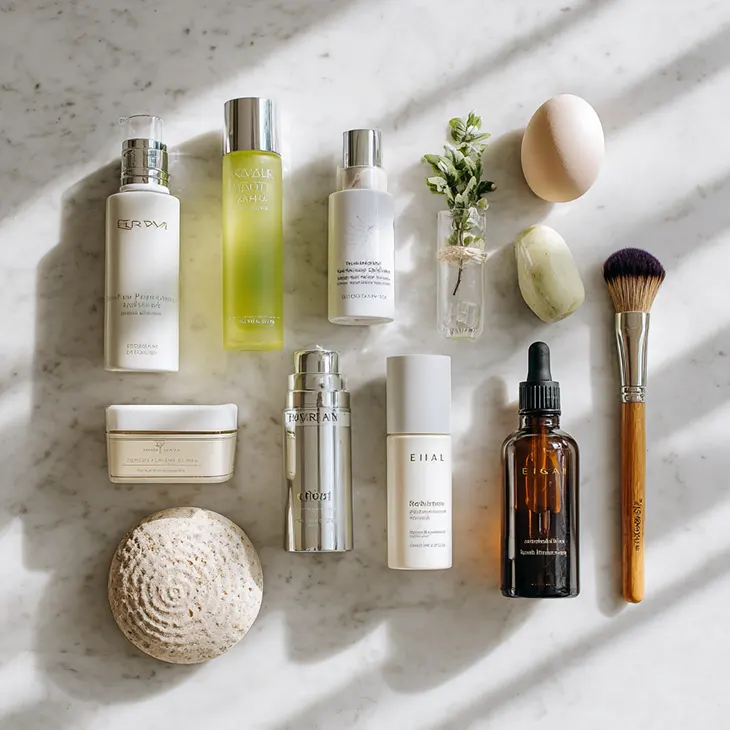
Ten-step regimens and rigid beauty rules often create pressure rather than pleasure. In 2026, routines that demand constant correction, strict discipline, or unnecessary complexity fall out of favor. Beauty begins to support daily life instead of dominating it, making space for flexibility and intuition.
The Illusion of Clean Perfection
“Clean beauty” as a vague promise has worn thin. Labels that rely on fear-based marketing or undefined purity claims feel increasingly hollow. Consumers now ask sharper questions, about sourcing, transparency, and performance. In 2026, products that hide behind buzzwords without delivering clarity or results lose relevance fast.
Overlined Lips Taken to Extremes
Once playful, the aggressively overdrawn lip has crossed into parody. Thick borders that ignore natural shape disrupt facial harmony and age poorly in motion. The coming year favors definition that respects proportion, texture, and softness, less cartoon, more considered enhancement.
Copy-Paste Faces
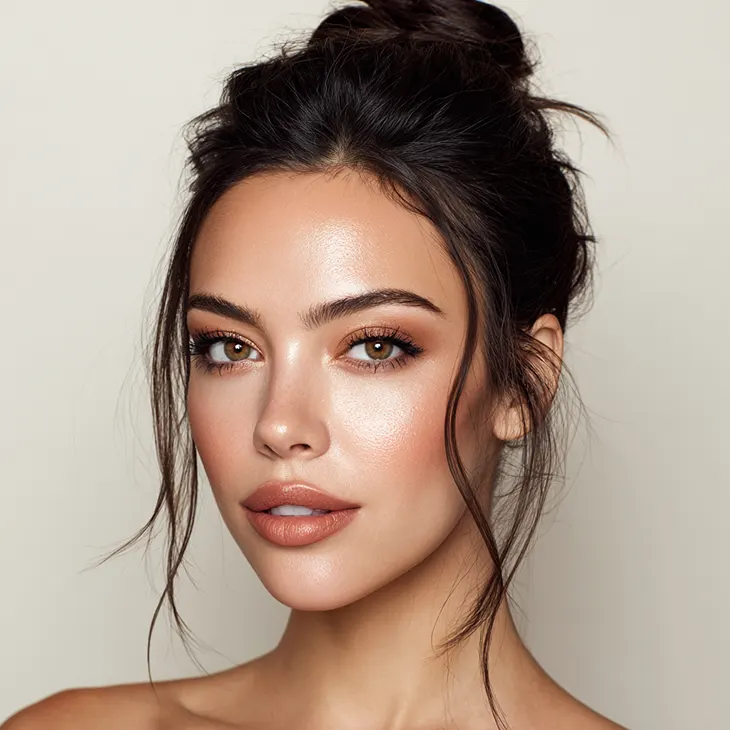
Perhaps the clearest trend to abandon is sameness itself. The past decade pushed a narrow template of beauty across genders, cultures, and ages. That template now feels outdated. Individual features, regional references, and personal histories take priority, allowing beauty to reflect difference rather than erase it.
2026 isn’t about rejecting beauty, it’s about refining it. Saying no to excess, illusion, and uniformity creates room for practices that feel intentional, grounded, and human. The future of beauty looks less performative and far more personal.