
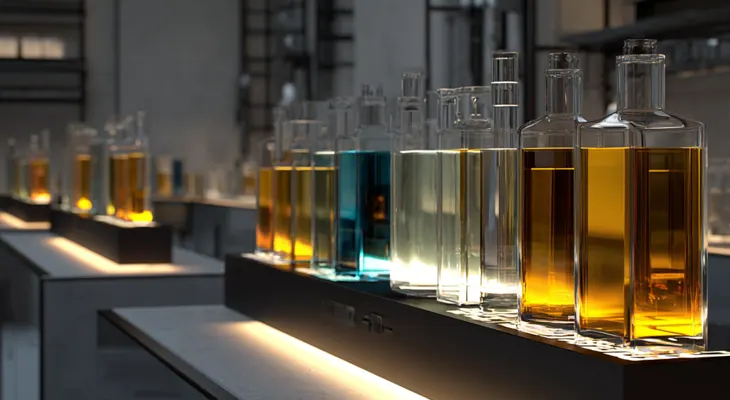
As the fragrance world turns toward a new decade of olfactory exploration, 2026 promises an evolution that goes beyond mere accords and bottle design.
FRAGRANCES
Perfume in 2026 will be less about scent as accessory and more about scent as narrative, identity, and emotional architecture, a structural shift driven by cultural currents, environmental urgency, and a generation that refuses superficiality.

Resonant Naturals:
From Botanical to Biome
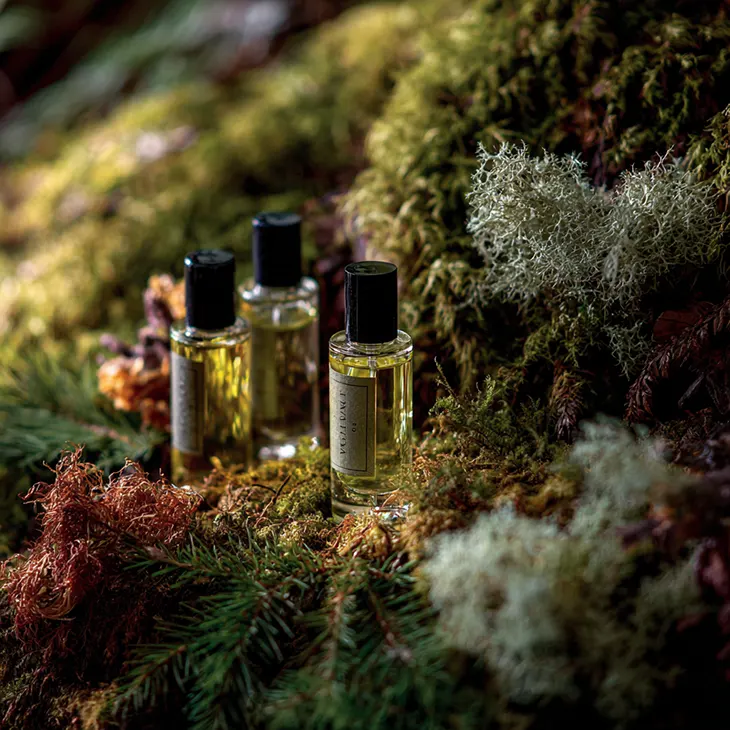
Clean and natural fragrances are nothing new, but 2026 marks a leap from botanical simplicity to biome-inspired complexity. Perfumers are mining soil, moss, and forest floor elements to recreate olfactory experiences rooted in place, season, and terrain. Think scents that evoke earth after rain, dawn in a cedar grove, or thawed undergrowth in winter. These are not pretty florals but immersive, grounding compositions that feel like ecosystem memories.
This trend mirrors a broader shift in beauty culture: consumers want connection with nature’s character rather than sanitized echoes of it.
Fermented & Funk:
Beauty Embraces Imperfection
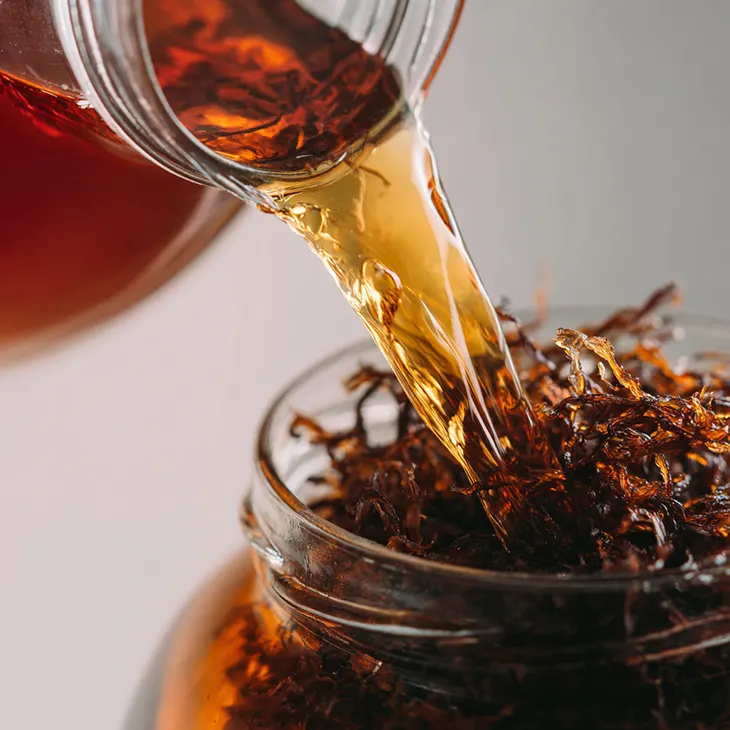
The influence of fermentation in food, from kimchi to natural wine, has seeped into fragrance. 2026 will see fermented notes and controlled funk: sour cherry lactone, aged resins, cultured myrrh, and smoky koji accords. These scents challenge conventional prettiness and invite wearers to experience scent as texture and tension.
Memory Mapping:
Personalized Olfactory Biographies
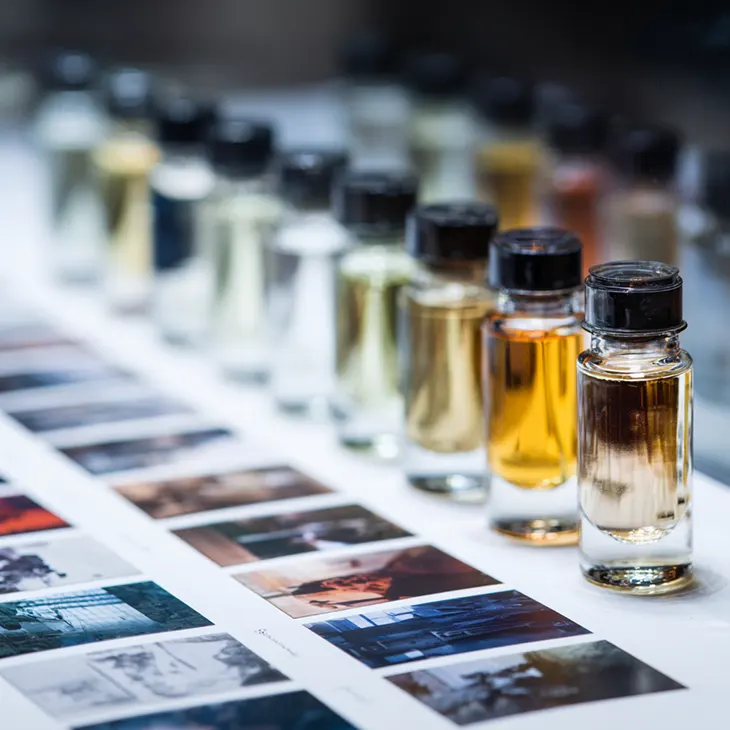
Artificial intelligence and biochemical profiling are beginning to intersect with fragrance development. In 2026, bespoke perfumery will evolve into memory-mapped scent creation, where personal narratives, emotional triggers, and even micro-chemical profiles inform bespoke compositions.
This is the perfume equivalent of a curated playlist: not just what you like, but what you are. Brands with proprietary scent profiling tech will lead, but expect boutique perfumeries to adopt artisanal versions of the same idea.
Oxidation as Design:
Scent That Changes On Skin
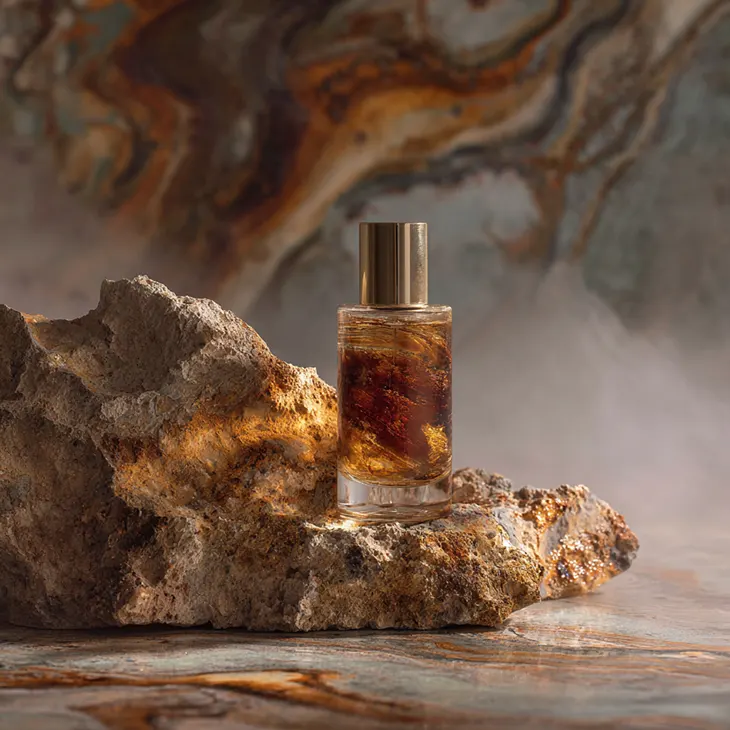
Temporal complexity has been a talking point for years, but 2026 pushes it further: oxidation becomes an intentional design element. Rather than merely fading, next-gen compositions will evolve distinctly on individual skin chemistry with deliberate transformational layers, influenced by pH, body heat, and even environment.
Wearers won’t just choose a scent; they’ll experience a scent arc that unfolds over hours.
Cultural Osmosis:
Global Narratives Over Eurocentric Musings
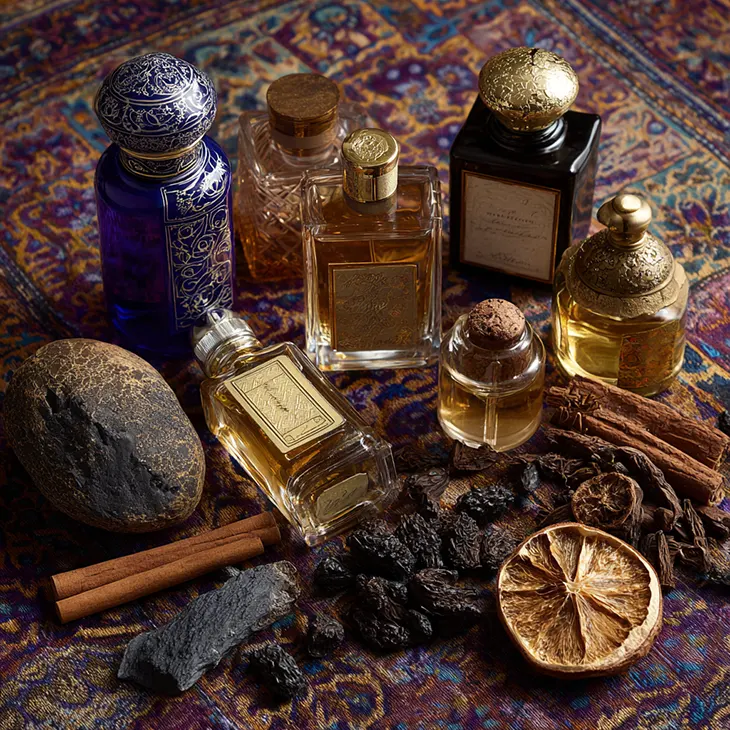
The zeitgeist in beauty and fragrance is decolonization, a demand for representation not as token but as foundation. Perfumery in 2026 will lean heavily on non-Western aromatic traditions re-imagined respectfully: West African oud variants, South American resins beyond vanilla and tonka, Himalayan alpine florals, and Middle Eastern citrus blends that defy cliché.
This isn’t appropriation, it’s integration: centering artisans, local botanicals, and heritage practices in authentic collaborations.
Sustainability Reimagined:
Material Alchemy and Closed-Loop Aromatics
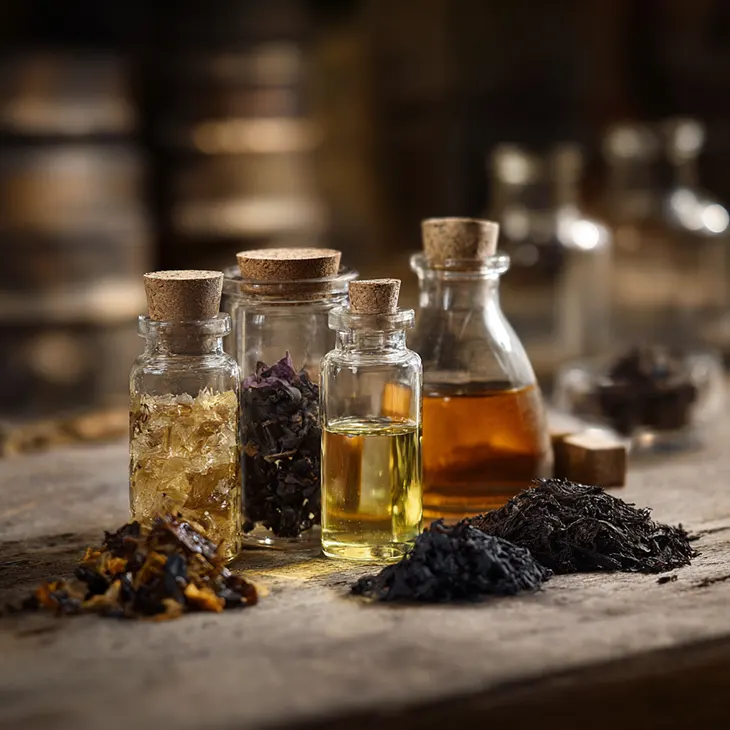
Sustainability in fragrance has often been about what’s left out (no animal musk, no over-harvested woods). In 2026, it will be about what’s transformed: lab-grown molecules indistinguishable from rare naturals, upcycled waste botanicals turned into rich accords, and closed-loop extraction methods that leave zero footprint.
This is sustainability that feels luxurious rather than apologetic, beauty with accountability, not guilt.
Mood Modulation:
Scents Designed for Emotional Calibration
Wellness has moved past bubble baths and bath salts. The next frontier is functional perfumery: scents formulated to influence mood, cognition, and nervous system states without collapsing into hyphenated wellness clichés (detoxifying, cleansing, etc.).
Expect compositions with validated effects, focus blends, stress-modulating accords, and sleep-prep envelopes, rooted in neuro-olfactory science, not marketing spin.
Genderless Depth:
More Structure, Less Archetype
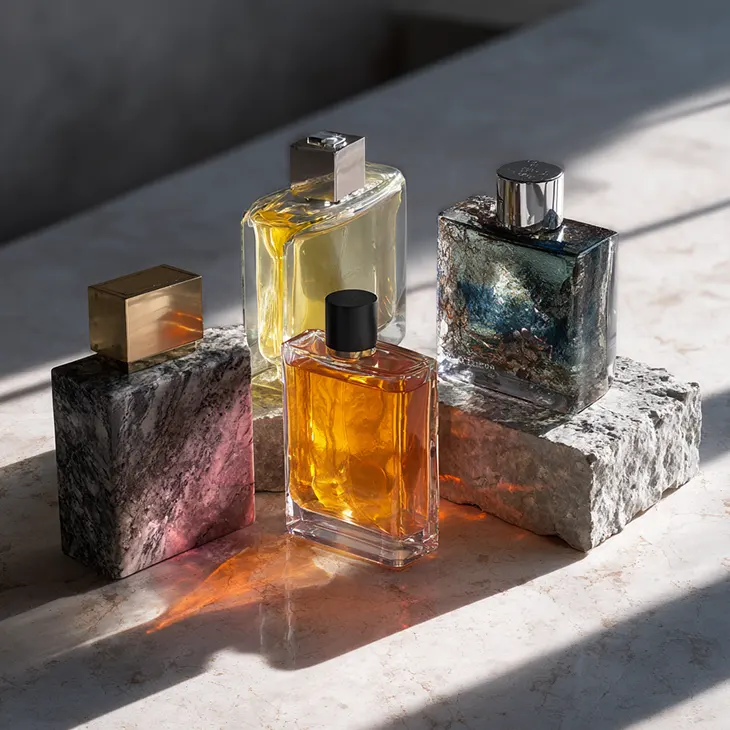
2026 will see the full dissolution of gendered fragrance categories. Instead of florals for women and gourmands for men, perfumery will favor architectural profiles, mineral, metallic, ink-like depths, and citrus-smoke hybrids that refuse traditional binaries.
Perfume trends in 2026 reflect a cultural shift, from celebration of surface to interrogation of experience; from easy prettiness to sophisticated complexity. The olfactory future is rooted in place, memory, mood, and ecology, not performance.
The perfume you choose will no longer just announce you, it will frame your presence.
