

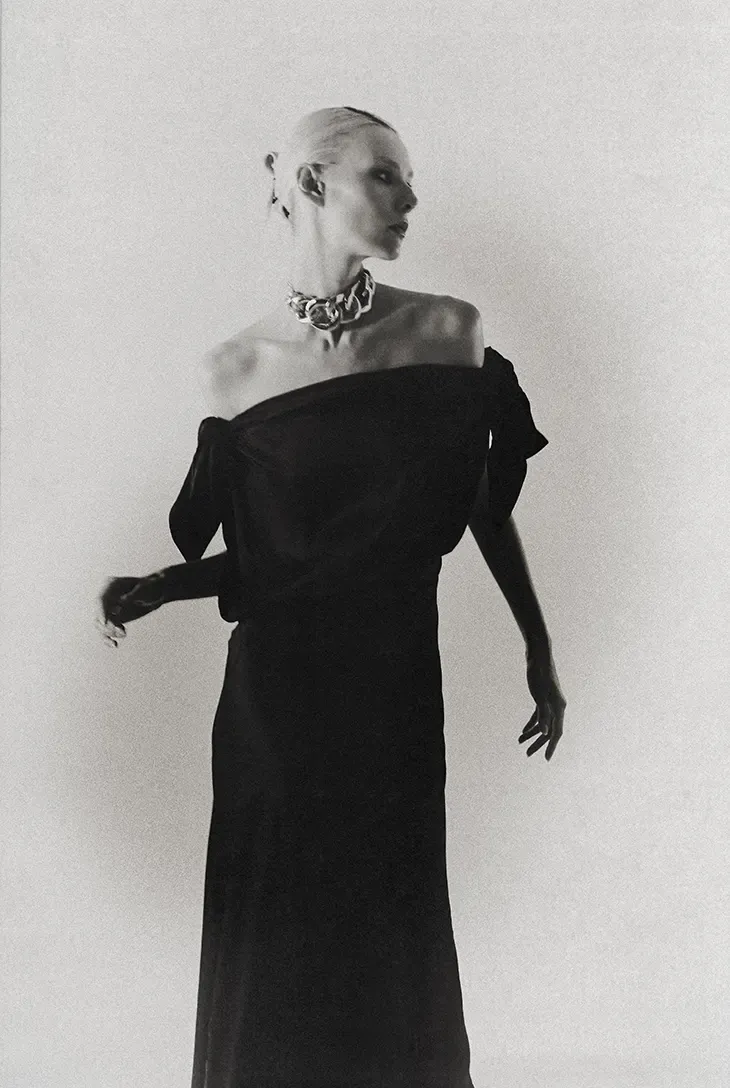
A statement necklace can pull an entire look together in a way that almost no other accessory can. The right piece can say a lot about your personality, taste, and sense of style. Choosing one that genuinely works for you takes some consideration beyond choosing the piece that catches your eye first.
Start With Your Everyday Style
The best starting point is your own wardrobe. Look at what you actually wear on a regular basis, including the pieces you reach for most often. Someone who lives in relaxed linen shirts and straight-leg trousers has different necklace needs from someone who regularly wears tailored blazers and silk blouses.
If your daily look is minimal and neutral, a sculptural pendant in a single metal tone can work naturally with your wardrobe. If you tend toward pattern and color, a structured chain or a simple stone drop can read clearly against busier clothing. The goal is to find a piece that complements what you already wear while adding its own character.
Understanding Different Necklace Lengths
Length determines where a necklace sits on the body, and that placement changes everything about how a piece interacts with your outfit and your frame.
Choker (14 to 16 inches)
A choker sits at or just above the collarbone. It draws the eye upward and works particularly well with open necklines. On a petite frame, it can feel proportionate and sharp. On broader shoulders, it tends to elongate the neck in a flattering way.
Princess Length (17 to 19 inches)
This is the most versatile range. A princess-length necklace sits just below the collarbone and pairs cleanly with crew necks, V-necks, and scoop necklines alike. Most pendant necklaces are sold at this length for good reason.
Matinee and Opera Lengths (20 to 36 inches)
Longer chains introduce a layered or draped effect. A matinee-length piece works well over a button-down or a high-neck top. Opera-length necklaces are typically reserved for evening wear or intentional layering, where the extra length creates visual movement.
Choosing Between Gold, White Gold, and Other Metals
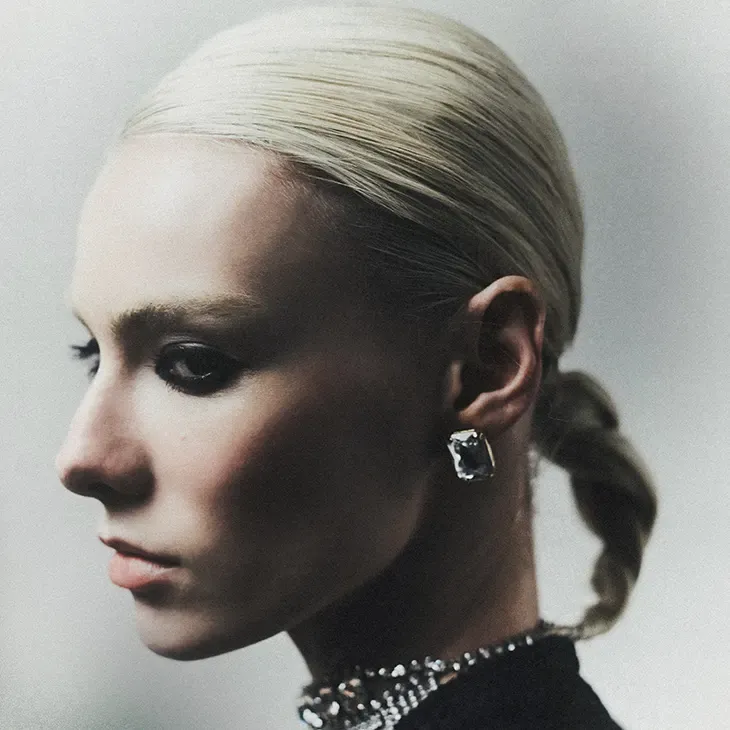
Metal tone is one of the most personal decisions in jewelry and also one of the most permanent. Unlike a gemstone, which can sometimes be reset, the metal sets the overall character of a piece.
Yellow Gold
Yellow gold reads warm, classic, and rich. It complements olive and deeper skin tones particularly well and pairs naturally with earthy, warm-toned wardrobes. In fine jewelry, 14k and 18k yellow gold offer durability alongside that characteristic warmth.
White Gold and Platinum
White gold and platinum read cooler and more contemporary. They work well with silver-toned wardrobes and suit fair to medium skin tones with cool undertones. Platinum is denser and more durable than white gold, which matters for pieces worn frequently.
Rose Gold and Mixed Metals
Rose gold has moved well beyond trend status into a genuine wardrobe staple. Its warm-pink tone flatters a wide range of skin tones and pairs especially well with blush, burgundy, and neutral palettes. Mixed-metal pieces, which combine two tones in one design, offer flexibility for people who wear both warm and cool colors regularly.
Diamond Necklaces vs. Gemstone Designs
The choice between diamonds and colored gemstones often comes down to how you intend to wear the piece and the effect you want it to create.
Diamonds are versatile in a way that colored stones are not. A diamond pendant or diamond-set chain moves easily from a Tuesday afternoon meeting to a formal dinner without any styling adjustment. Their neutral color also makes them easy to pair with different wardrobe palettes.
Colored gemstones introduce a stronger sense of personality and color. A deep sapphire pendant makes a different statement than an emerald one, and both require more thought when styling them with your wardrobe. If you wear a lot of blue and navy, a sapphire or aquamarine necklace can feel like a natural extension of your palette rather than an addition to it. Rubies and garnets work well in fall and winter wardrobes built around burgundy, forest green, and camel.
For those building a collection over time, starting with a diamond or white-stone piece gives you a reliable anchor. Colored gemstone necklaces work best as additions once you understand your style patterns.
Matching a Necklace to a Neckline
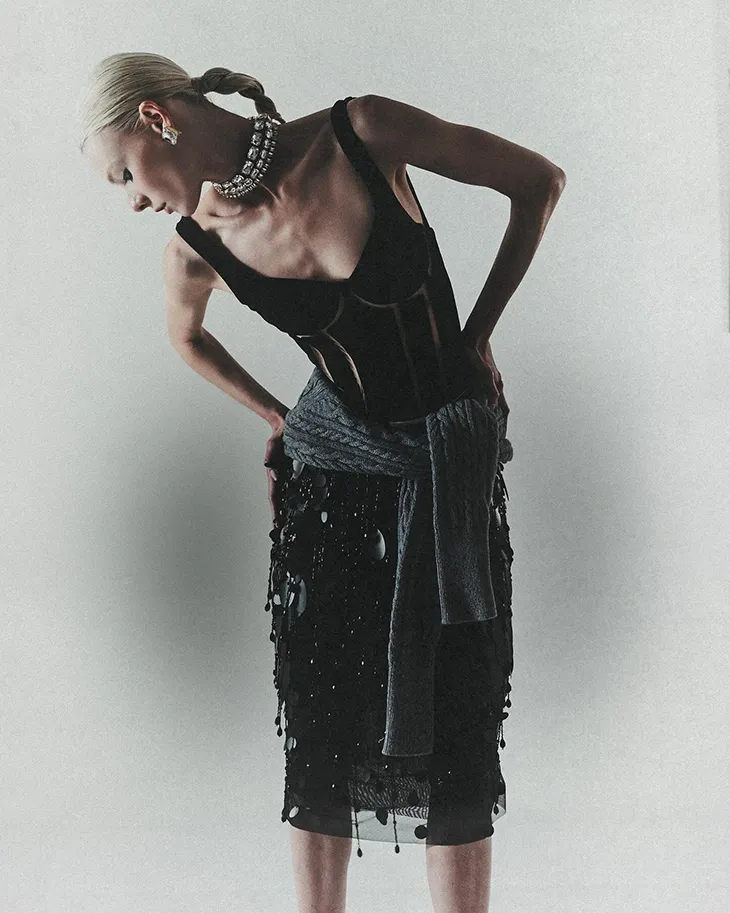
This is where many people make avoidable mistakes. The necklace and the neckline need to work together, not compete.
A few reliable pairings:
- V-neck: A pendant or drop necklace that echoes the V shape keeps the eye moving downward in a clean line.
- Crew neck or turtleneck: A longer chain or opera-length piece sits over the fabric and creates contrast. Avoid short necklaces here; they disappear.
- Strapless or sweetheart neckline: A statement choker or a short, bold collar necklace fills the negative space across the collarbone.
- Off-the-shoulder: Let the neckline do the work. A subtle pendant or no necklace at all keeps the look balanced.
- Scoop neck: Almost any length works, making this the most forgiving neckline for necklace styling.
Choosing a Necklace for Special Occasions
Event dressing introduces a different set of considerations. The formality of the occasion, the silhouette of the outfit, and the presence of other accessories all factor in.
For black-tie events, fine metal chains with a single stone or a pavé-set pendant tend to read as polished. Heavy beaded or layered pieces can feel at odds with formal dressing. For cocktail occasions, there is more room to experiment with bolder forms, asymmetrical designs, or mixed-stone pieces.
Weddings, whether as a guest or as the one getting married, call for pieces that photograph well. High-contrast designs, such as a white diamond pendant against a dark gown or a colored stone against a white dress, tend to read clearly in photographs in a way that subtler pieces do not.
When a Statement Necklace Becomes an Investment Piece
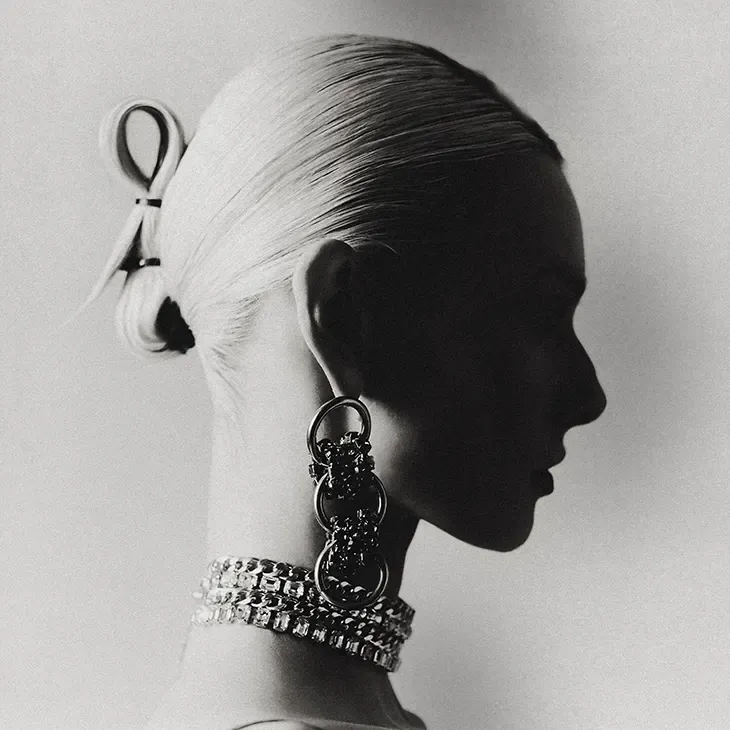
Not every necklace is a financial investment, but some are worth thinking about that way from the start. Fine jewelry made with solid gold and genuine gemstones can hold value over time in a way that fashion jewelry often cannot. That distinction matters more than people expect.
The collections at luxury necklaces from Watchlink show what that range looks like in practice, from everyday fine pieces to more substantial designs meant to be worn and passed down.
The fine jewelry market was valued at USD 49.8 billion in 2023 and is projected to reach USD 87.2 billion by 2031, growing at a CAGR of 6.7%. That sustained growth reflects a broader shift in how people think about fine jewelry: less as a luxury splurge and more as a considered, durable purchase. Pieces made with certified stones and hallmarked metals carry documentation that supports their value over time, which matters if you ever choose to insure, resize, or sell.
How to Care for Fine Necklaces
A well-made necklace lasts decades with basic, consistent care. The most common causes of damage are also the most preventable.
Chlorine from pools and hot tubs weakens gold alloys over time and can dull gemstone finishes. Perfume and lotions applied before a necklace goes on leave residue that builds up around settings and dulls metal. Putting jewelry on last, after everything else, cuts out most of that exposure.
Storage matters as much as wear. Chains left loose in a jewelry box tangle and develop kinks that weaken links. Individual pouches or a lined compartment tray keeps each piece separated and protected. For diamond and gemstone necklaces, a gentle soak in warm water with a drop of dish soap, followed by a soft-bristle brush around the setting, is enough to restore brilliance between professional cleanings.
A professional cleaning once a year also gives a jeweler the chance to check prong integrity, clasp function, and any wear on the chain links before a small issue becomes a broken piece.
Choosing a statement necklace is ultimately about knowing yourself well enough to make an informed choice instead of an impulsive one. Start with your wardrobe, understand your proportions, and think about where the piece will actually go in your life. The necklaces that get worn consistently are rarely the most dramatic ones. They tend to fit naturally into your wardrobe while still reflecting your personality.
Images from The New Noir by Dalila Slimani – see full story here.