
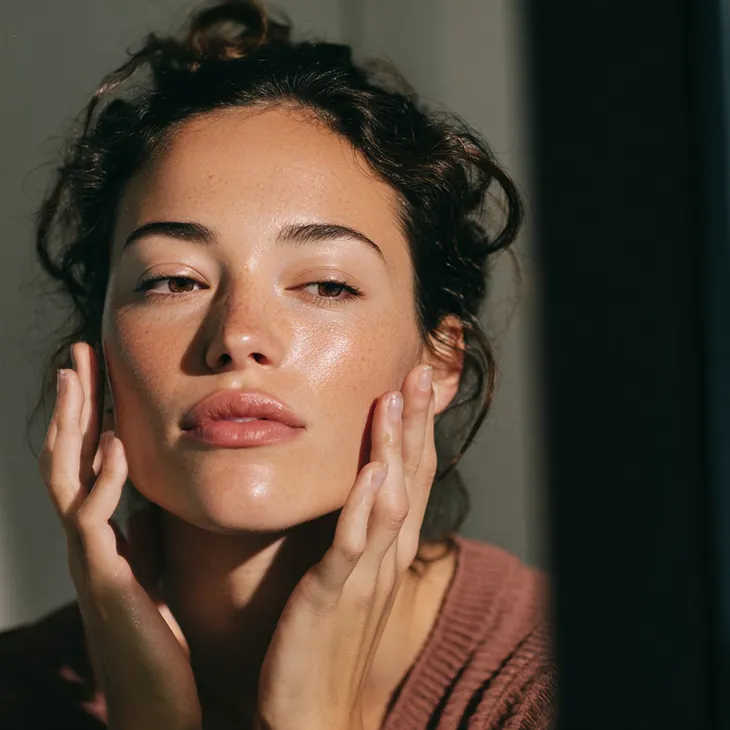
Skincare is no longer just about chasing trends or building a crowded bathroom shelf filled with products. Over the last few years, beauty routines have evolved into something far more intentional.
For many people, skincare has become a daily ritual tied to relaxation, mindfulness, and overall well-being. Instead of focusing only on visible results, consumers are now looking for routines that feel calming, restorative, and sustainable.
This shift reflects a broader movement in wellness culture. Experts increasingly point to the connection between stress, sleep quality, and skin health, particularly when it comes to inflammation, sensitivity, and hydration.
According to recent insights from the Cleveland Clinic, protecting the skin barrier and simplifying routines are among the biggest skincare priorities today. Dermatologists are emphasizing gentle cleansing, hydration, and consistency over aggressive product layering.
At the same time, beauty enthusiasts are rediscovering the emotional side of skincare. A thoughtful evening cleanse or a calming facial massage can create a moment of pause in otherwise busy days. This emotional connection is redefining beauty as an experience.
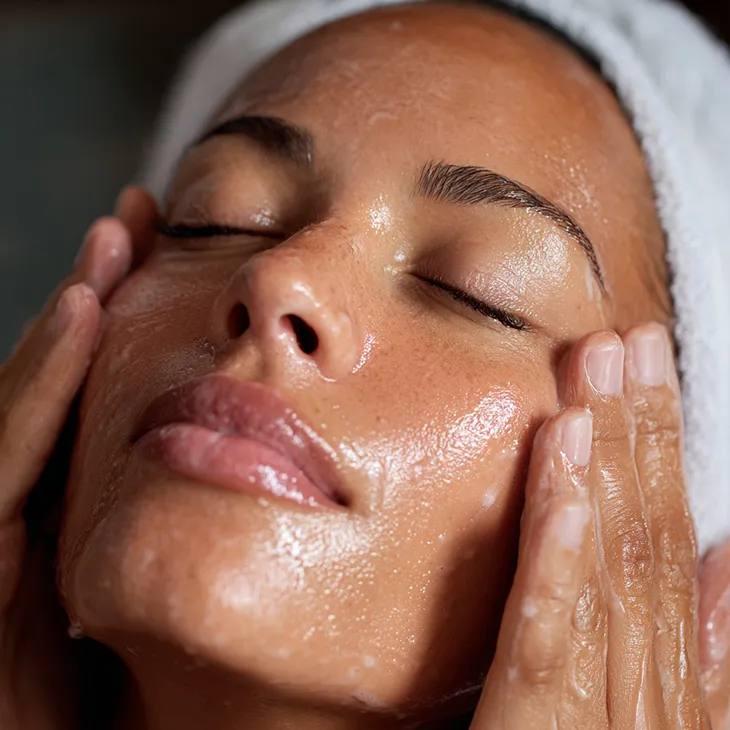
The Rise of “Skinimalism”
One of the strongest beauty movements right now is “skinimalism,” a philosophy centered on using fewer, more effective products. Rather than overwhelming the skin with harsh exfoliants or complicated routines, consumers are focusing on nourishing formulas that support long-term skin health.
This approach is especially important for people with sensitive or reactive skin. Overuse of active ingredients can weaken the skin barrier, leading to dryness, redness, and irritation. Dermatology experts recommend routines that prioritize hydration, ceramides, niacinamide, and soothing ingredients that reinforce the skin’s natural defenses.
Minimalist skincare doesn’t mean sacrificing luxury or enjoyment. In fact, many beauty lovers are investing in products that combine performance with a spa-like sensory experience. Rich textures, calming aromas, and massage-friendly formulas help transform skincare into a wellness ritual rather than another task on a to-do list.
Luxury cleansing balms, hydrating creams, and facial oils have become popular partly because they encourage slower routines. Instead of rushing through a routine in two minutes, people are taking time to massage products into the skin, relax facial tension, and create a sense of calm.
This is one reason premium skincare brands continue to resonate with consumers seeking both effectiveness and self-care. Collections like ELEMIS have gained attention for blending skincare technology with spa-inspired rituals that encourage consistency and relaxation.
The Connection Between Stress and Skin
The growing popularity of wellness-focused skincare isn’t just marketing. Research continues to show that stress can significantly affect the skin. High stress levels may contribute to irritation, acne flare-ups, dryness, and weakened barrier function.
Beauty and wellness publications are increasingly discussing the “mind-skin connection,” which explores how emotional well-being impacts physical skin health. Emerging conversations around emotional skincare suggest that routines promoting calmness and mindfulness may indirectly support healthier-looking skin by reducing stress-related inflammation.
This connection explains why consumers are drawn to routines that feel comforting instead of overly clinical. Warm cleansing balms, aromatic facial treatments, and relaxing nighttime routines can help create moments of decompression that benefit both emotional wellness and the skin itself.
Sleep also plays a major role in skin recovery. Overnight is when the skin naturally repairs itself, making nighttime skincare routines especially important. Hydrating ingredients, gentle cleansers, and moisture-sealing creams can support the skin during this recovery phase while also encouraging a more relaxing bedtime routine.
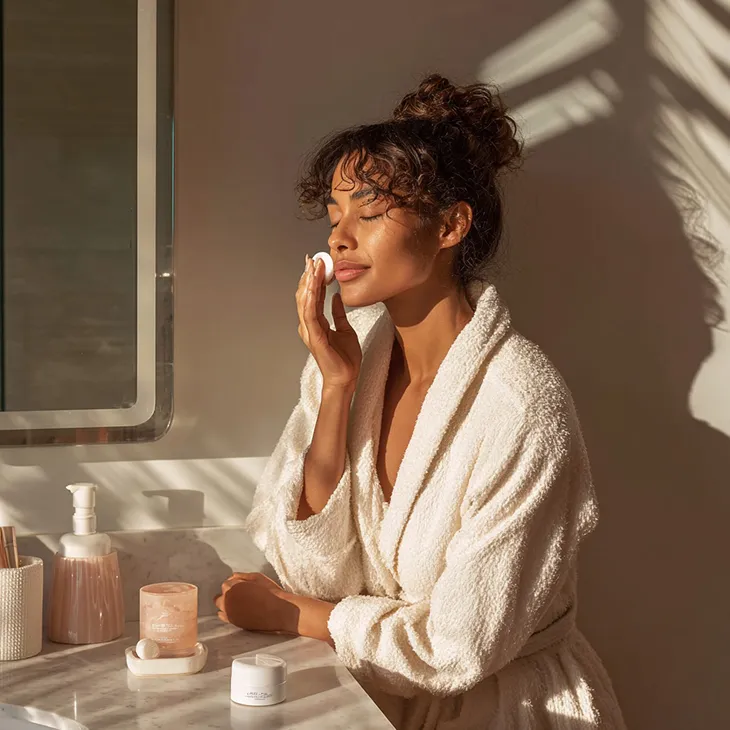
Why Ritual Matters More Than Ever
Modern consumers are increasingly interested in rituals that provide a sense of stability. In busy daily life, small rituals can help people slow down and feel present. Skincare naturally fits into this lifestyle shift because it combines touch, sensory experience, and personal care.
Beauty routines are now often viewed similarly to meditation, journaling, or yoga. Simple practices that encourage mindfulness and consistency. Social media has also contributed to this trend, with creators sharing slower, more soothing skincare routines focused on self-care rather than perfection.
Importantly, the idea of ritual encourages sustainability in skincare habits. Many people abandon complicated 10-step routines because they become overwhelming. Simpler rituals built around a few enjoyable products are easier to maintain over time.
Industry experts predict that skincare will continue moving toward routines that prioritize comfort, hydration, and emotional wellness. Consumers are becoming more selective about what they use, looking for products that deliver both visible results and an enjoyable experience.
The Future of Beauty Is Holistic
The beauty industry is entering a more holistic era where skincare is connected to wellness, mental health, and lifestyle. Consumers are no longer satisfied with products that only promise quick fixes. They want routines that feel supportive, calming, and realistic for everyday life.
This evolution is changing how brands formulate products and communicate with audiences. Instead of focusing only on anti-aging or dramatic transformations, many companies now emphasize barrier support, hydration, and long-term skin resilience.
Ultimately, skincare rituals are becoming less about perfection and more about balance. Whether it’s a five-minute nighttime cleanse or a full Sunday facial routine, these moments of care help people reconnect with themselves in meaningful ways.
As wellness and beauty continue to overlap, skincare will likely remain one of the most accessible forms of daily self-care: simple, personal, and deeply connected to how people want to feel, not just how they want to look.
