
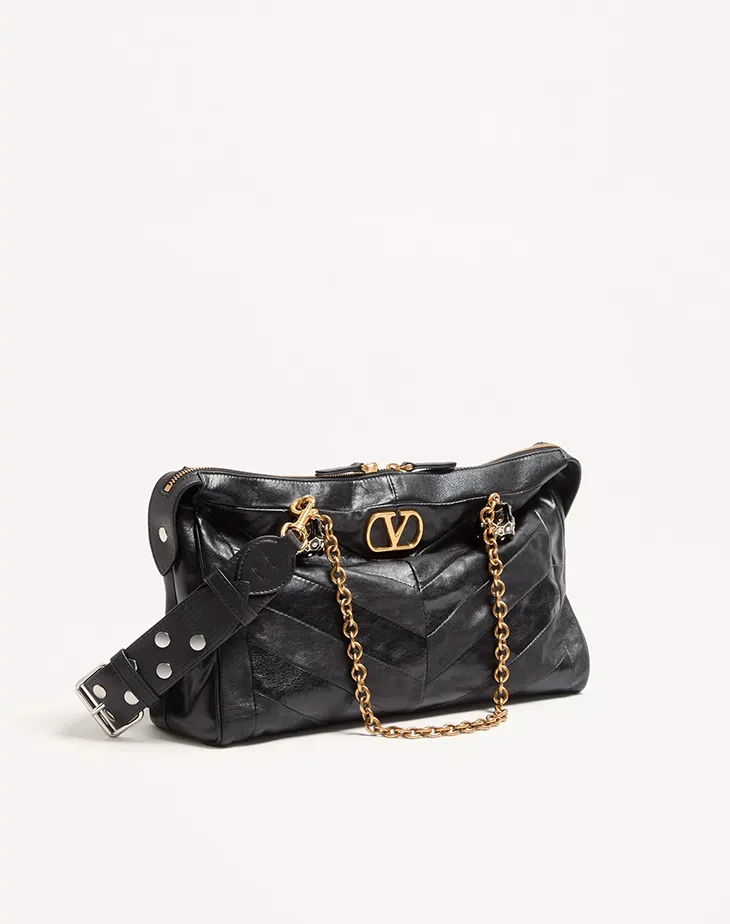
The designer tote has returned to fashion at a moment when carrying a bag that actually holds something feels newly relevant. After seasons dominated by compact shoulder bags and miniature proportions, 2026 has brought larger formats back into focus. Super-roomy totes, slouchy leather carryalls and substantial work bags now appear regularly in seasonal coverage, reflecting an appetite for accessories that can handle daily life.
Fashion has become more comfortable with bags that answer those everyday needs. A tote can serve the office, a flight, an afternoon of appointments or a weekend away, giving it value through repeated use. For shoppers considering an expensive handbag, that versatility can matter as much as appearance.
Size Changes How a Tote Is Used
Different tote sizes suit very different parts of the day. Super-roomy totes can handle a full working day or travel, while smaller versions suit evenings, lighter schedules and occasions when only a few essentials are needed.
Tiny totes have received their own attention this year, particularly during the warmer months. Their compact proportions keep the familiar handles and open shape while reducing the amount carried inside. At the opposite end, oversized totes provide enough space for commuting, work or weekends away.
Current designer tote bags reflect that flexibility, with brands such as Valentino Garavani offering the format in different sizes and materials.
Materials Give the Tote Different Uses
Material changes both the structure and weight of a tote. Firm leather can help the bag retain its shape, while softer leather gives it a more relaxed appearance. Suede works naturally with slouchier forms and gives larger totes a softer, less formal look.
Canvas offers less weight, which becomes useful at larger sizes, especially for commuting or travel. Its place in city dressing has also grown this year, with canvas totes appearing beyond their familiar beach and holiday associations.
Raffia and woven constructions make the tote lighter and better suited to summer dressing. Smaller woven totes can work for evenings and holidays, while larger versions provide enough room for daytime use.
These differences give shoppers practical choices as well as visual ones. Someone who wants structure may prefer leather, while another person may choose canvas because carrying a substantial tote for several hours makes weight important.
Shape Is Changing Too
The traditional shopper usually has a relatively simple vertical shape, but current totes include softer and wider alternatives. Slouchy forms allow leather and suede to fall around the contents, giving the bag a relaxed appearance.
East-west totes take the shape in another direction. Their horizontal proportions create a lower, wider bag that still provides useful interior space. The opening also makes belongings easier to reach than in a deep vertical shopper.
Current tote styles are making greater use of color. City totes in brighter shades have appeared alongside neutral work bags, giving the format a less conventional place in everyday dressing.
Practical Details Still Decide Whether It Works
A tote may look simple, but small construction choices can determine how often it gets used. Empty weight matters, particularly with larger leather versions, where hardware, lining and a reinforced base can make the bag surprisingly heavy. Handle length and width then shape how comfortably that weight is carried, from longer straps that fit over coats to wider handles that distribute the load more evenly. Shorter handles suit hand carry and often work better on compact versions.
Interior organization depends on use. One open compartment gives plenty of flexibility, while zipped sections and smaller pockets keep personal items separated. A secure closure can help during commuting and travel, while an open top provides faster access.
The Work Tote Has Loosened Up
The tote remains an obvious work bag because its proportions accommodate documents and technology, but office use no longer defines the entire format. Softer leather, suede, canvas and less rigid shapes allow work-sized totes to fit naturally into casual wardrobes too.
This matters for people who carry one bag from morning through evening. A tote can handle office essentials and still work with denim, knitwear or less formal clothes after work. Smaller versions cover occasions when that capacity becomes unnecessary.
The result is a format that can adapt through proportion instead of requiring a completely different handbag for every setting.
Why Practicality Works in Luxury
Frequent use has become an important part of how people judge an expensive handbag. The tote fits that expectation because its usefulness is built into the format.
Designers can change the scale, structure and material without losing that function. A tote can be compact or oversized, rigid or slouchy, made in leather, suede, canvas or raffia, and still remain immediately recognizable.
That adaptability helps explain its current relevance. The tote can shift with season, setting and wardrobe while keeping the practical qualities that make it easy to use.
