
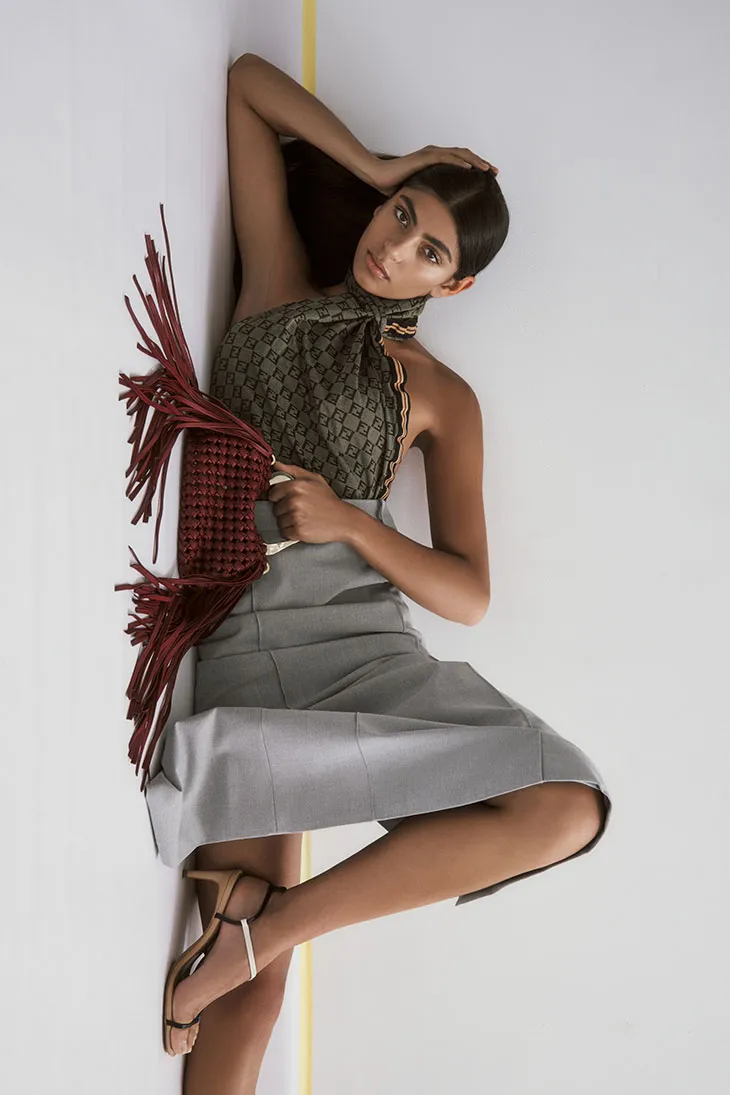
An outfit can satisfy every practical requirement and still feel unfinished. The fit may work, the colors may sit well together, and the proportions may feel balanced, yet the final result can lack visual definition. This gap rarely comes from the clothing alone. It often comes from the absence of the right accessory.
Accessories shape how an outfit reads. They can sharpen a simple look, introduce texture, add character, and give everyday dressing a stronger point of view. As everyday dressing shifts toward clean basics, neutral palettes, denim, tailoring, and pared back layers, accessories carry greater visual weight. They complete the look by giving it focus.
The “Almost There” Outfit Problem
The problem usually starts with familiar wardrobe pieces that do their job too well. Denim, crisp shirts, neutral tops, and clean layers create a dependable base, but their simplicity can leave the outfit visually static. Nothing feels wrong, yet nothing draws the eye.
This becomes especially clear when the look relies on similar surfaces. Cotton against denim, knitwear against tailoring, or a flat neutral palette can create a smooth effect that needs interruption. The outfit doesn’t need another major piece, it needs contrast.
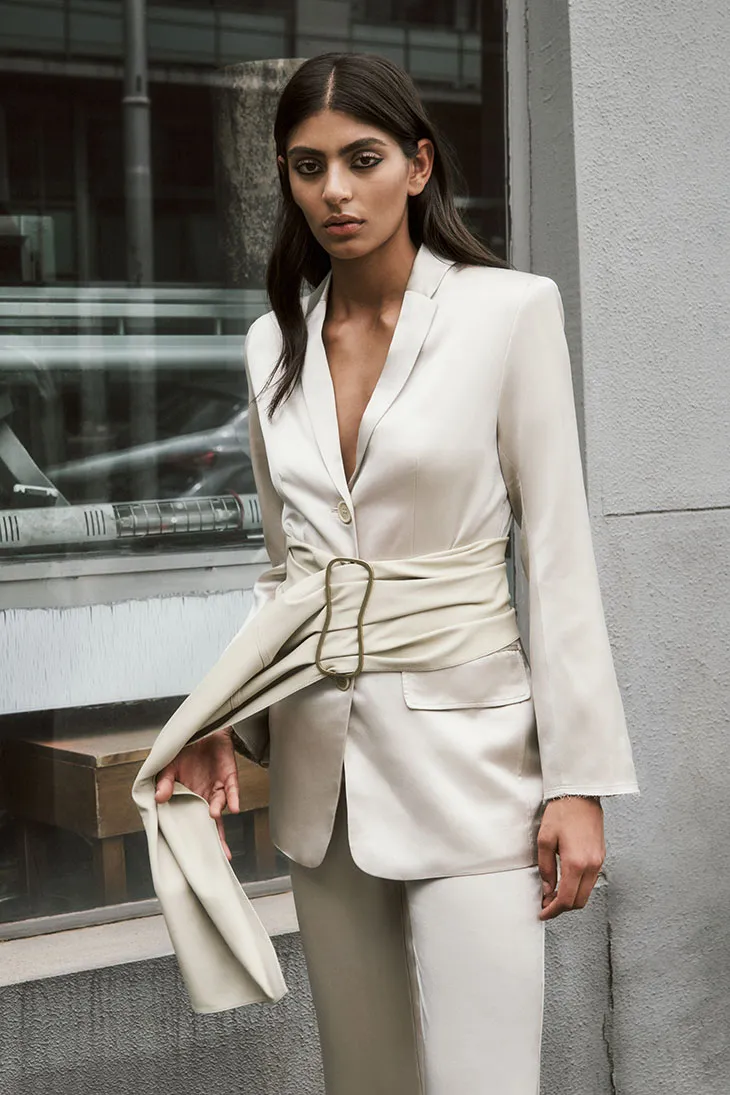
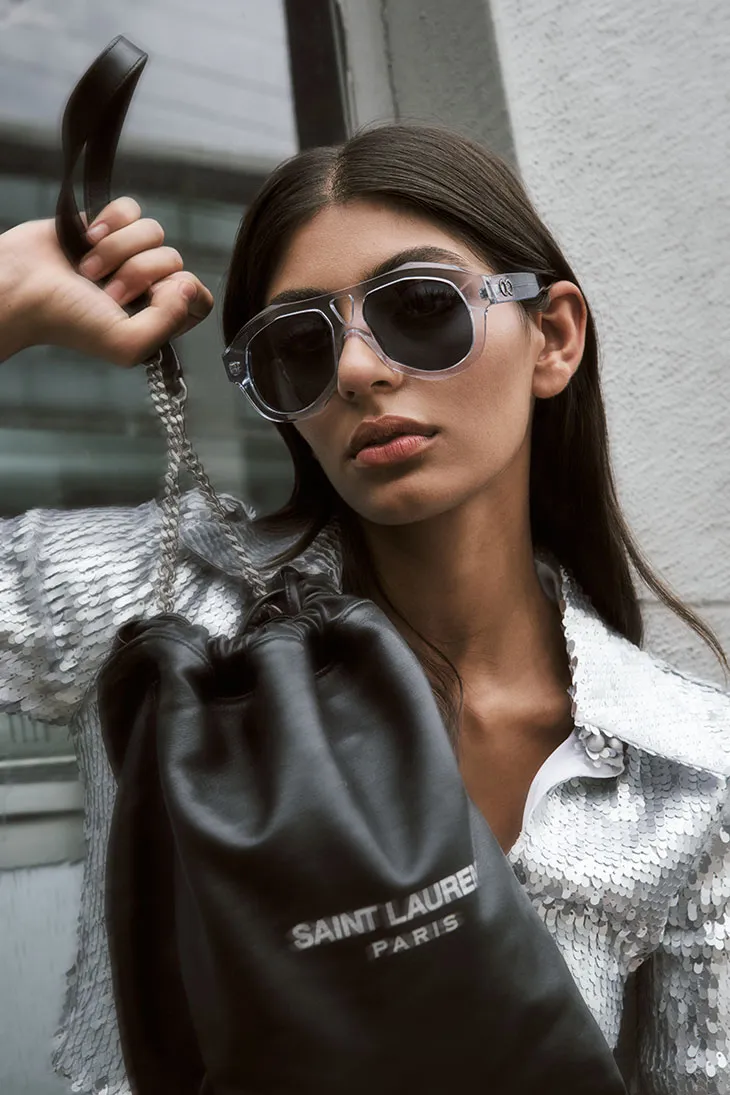
Accessories supply that contrast through surface, shape, weight, and shine. A belt can define proportion. Sunglasses can sharpen the mood. Jewelry can bring light to the face. A bag can add texture or structure.
One Good Accessory Can Change Everything
Strong styling depends on selection. A single accessory can shift the tone of a look more effectively than several competing details. The right piece gives the outfit direction, especially when the clothes rely on clean lines, neutral tones, or familiar wardrobe staples.
A bag offers the clearest example. It carries function, but it also changes how the outfit reads. Shape, texture, handle length, scale, and material all affect the final image. A soft outfit can gain structure through a defined bag, while a plain combination can gain surface interest through woven material or tactile detail.
Islander bags have gained attention for this reason. Retailers such as ShamrockGift offer islander bags that combine traditional craft techniques with everyday practicality, giving them a clear place in modern wardrobes. Their woven construction brings texture to simple clothing, especially outfits built from denim, cotton, linen, or knitwear.
This contrast gives the accessory its value. A smoother minimalist bag can disappear into a neutral look, while a woven design creates a visual break. With jeans and a basic top, that surface detail can change the full outfit from plain to considered.
The practicality matters as much as the design. These bags can work beyond occasional dressing, fitting into daily routines while still giving the look a distinct finish. That balance makes the accessory effective: it serves a real use and gives the outfit a clear point of focus.
Accessories Add Personality (Without Changing Your Clothes)
Accessories offer one of the clearest ways to make familiar clothing feel personal. Many wardrobes rely on similar foundations, from denim and white shirts to knit tops, tailored trousers, and simple dresses. The distinction often appears in the final details.
A specific bag, a pair of earrings, a watch, a belt, or sunglasses can become part of a person’s visual identity. These pieces often reveal taste more directly than the clothes themselves because they reflect repetition, habit, and preference.
That detail matters. Accessories can make familiar pieces feel less generic and more specific to the person wearing them.
The Difference Between Dressed and Styled
A dressed look meets the basic requirements. A styled look shows editing.
This difference often comes down to what stays, what changes, and what gets left out. A shirt may need a belt to define its proportion. A simple dress may need cleaner jewelry instead of a larger bag. A neutral outfit may need one textured piece, then nothing else.
Styling works through adjustment. It asks whether the accessory supports the clothes, suits the occasion, and feels connected to the person wearing it. The strongest results come from knowing which detail has enough presence to finish the look.
That is where accessories matter most. They help turn clothing into a complete image without changing the entire outfit.
Why Minimal Outfits Rely on Accessories
The simpler the outfit, the more each detail matters. A printed dress, a sculptural coat, or a strong color already gives the eye a focal point. Minimal dressing works differently. A clean shirt, jeans, tailored trousers, or a neutral dress leaves open space, and that space needs one clear detail.
Texture often solves the problem first. Clothing in similar fabrics can read as flat, especially when the palette stays neutral. A woven bag, a leather belt, metal jewelry, or polished sunglasses can break that uniformity through surface and shape. These details add depth while keeping the outfit clean.
The key lies in restraint. Too many accessories can pull the look in several directions at once. One or two pieces usually create a stronger result because they give the outfit focus. A textured bag can carry the look. A fine necklace can bring light to the neckline. A belt can define proportion. Sunglasses can sharpen the full image.
This approach also keeps styling practical. Start with one accessory and see how it changes the outfit. If the look still feels unfinished, add one small detail. If the outfit starts to feel busy, remove something.
The accessory should feel natural on the person wearing it. A bag, necklace, belt, or pair of sunglasses works best when it fits the clothes, the occasion, and the person’s own taste. When the choice feels forced, the full look shows it. When the piece feels right, the outfit reads as complete.
Images from Annie Rose by Carmen Rose – see full story here.
