

Booking breast surgery in another country is two decisions wearing one coat. The first is medical: which procedure, which surgeon, which plan actually fits your body. The second is logistical: flights, recovery time, aftercare far from home. Most people obsess over the second and rush the first, when the first is the one that decides whether the result is any good. What to evaluate before breast surgery abroad comes down to asking sharper questions than “how much” and “how soon.”
Distance changes the stakes. A follow-up isn’t a quick drive across town, so the planning has to be tighter and the clinic’s systems have to be genuinely built for international patients. Here’s how to judge that before committing to anything.
Proportions Over Cup Size
The single most common mistake is walking in fixated on a number. A cup size, a specific implant volume, a look copied from a photo of someone with a completely different frame.
Size chosen in isolation is how results go wrong. An implant that ignores your chest width, your existing tissue, and your shoulder line can look tacked-on and throw the whole body out of balance. The better approach starts from proportion. A good surgeon measures the frame first, assesses skin and tissue quality, then works out the profile, shape, and placement that suit that specific body. The implant is chosen to fit the plan, not the plan bent to fit a number.
This matters even more at a distance, because there’s no popping back three times to keep adjusting the conversation. The planning has to be right before surgery day.
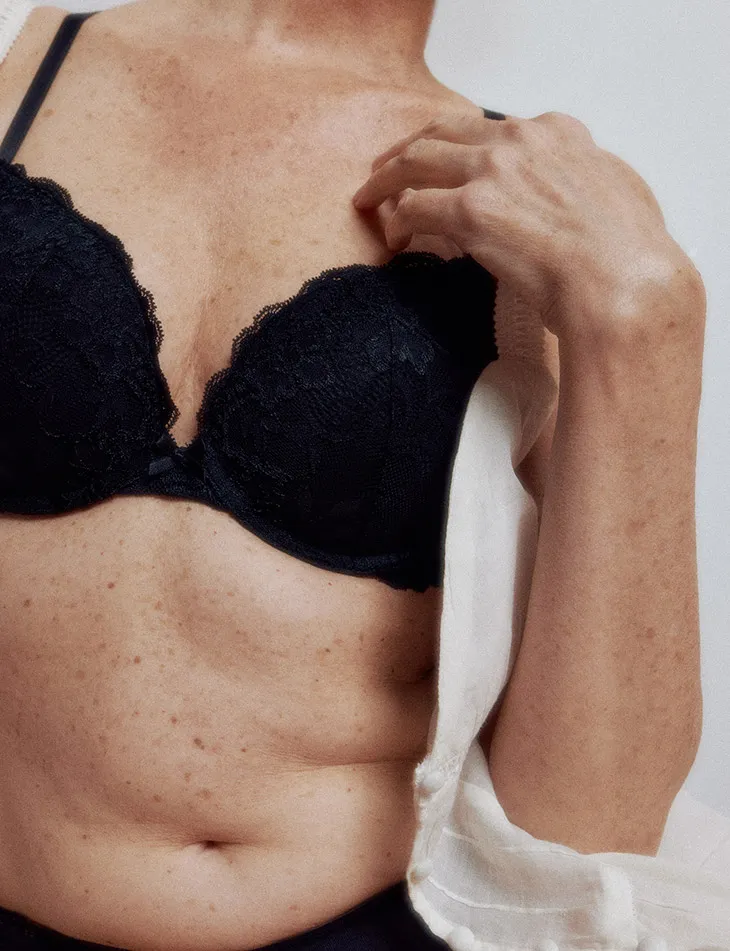
Implant, Lift, or Reduction: Which Problem Are You Solving?
This is not a single operation. The right procedure depends entirely on what’s actually bothering you, and mixing them up is a fast route to disappointment.
- Augmentation adds volume and shape, using implants or sometimes your own fat. It suits smaller or asymmetric breasts, or volume lost after pregnancy or weight change.
- A lift, or ptosis correction, doesn’t add much size. It raises and reshapes breasts that have started to sag and repositions the nipple higher. It’s the answer when position, not volume, is the concern.
- Reduction removes excess tissue to relieve the neck, back, and shoulder strain that heavy breasts cause. It’s as much a comfort procedure as a cosmetic one.
With some lifts and augmentations, surgeons also use a supportive mesh, sometimes called an “internal bra,” to hold the tissue or implant in place. It’s worth asking about, because it isn’t risk-free. The FDA has not approved any mesh for breast surgery, and reported complications like infection and migration have led to a breast mesh lawsuit.
Plenty of people need a combination. Augmentation with a lift is the most common pairing, restoring lost volume and correcting sag in one go. Reduction with a lift reshapes while it relieves. A clinic offering specialist breast surgery care in Seoul or anywhere else should be able to say honestly which combination fits, even when that isn’t the procedure you walked in asking for. A surgeon who agrees with everything is a red flag.
What Good Breast Surgery Care Looks Like
Beyond the procedure itself, the structure around it separates a serious clinic from a risky one. A few things are worth confirming directly.
Consultation and examination should happen in a private, discreet setting, with proper measurement and assessment rather than a five-minute glance. For an intimate procedure, that privacy isn’t a luxury. It’s a signal of how the clinic operates.
Ask who is actually in the room. The strongest setups run a dedicated breast-surgery team that stays with you from diagnosis through surgery, anesthesia, and recovery, rather than passing you between strangers. A full-time anesthesiologist monitoring the procedure is non-negotiable, and not something every clinic provides. So is a real-name surgeon system, where the doctor who consulted with you is the one holding the scalpel, not an unnamed substitute.
Board certification from the country’s plastic surgery board is the floor, not the ceiling. Experience volume matters too. A team that has handled thousands of cases, including revisions of other clinics’ work, has seen complications that a lower-volume operation may never have run into.
Implant choice is part of this too. A serious clinic carries a range of trusted implant types and profiles rather than defaulting everyone to the same product, and the surgeon should walk you through why a particular implant, shape, and placement suits your tissue. If the “recommendation” sounds identical to what everyone else is offered, that’s worth questioning.

The 10 to 14 Day Reality
Recovery abroad needs honest scheduling, and this is not a fly-in-fly-out procedure.
For most breast procedures, planning to stay in the city for around 10 to 14 days is realistic. That window covers the pre-op consultation, the surgery, and the early recovery checkpoints, including drain removal if drains are placed and stitch removal, before it’s safe to fly. Leaving too soon means missing the checks that catch problems early.
Swelling and tightness peak in the first two to three days, then ease. Most people manage light walking within a week, but heavy lifting and chest exercise stay off the table for weeks. Sleeping propped up and wearing a compression garment as directed are part of the deal. Build the trip around that reality instead of hoping to compress it.
Questions to Ask Before Booking Breast Surgery Abroad
Before any deposit changes hands, the answers to these should be clear and specific:
- Who is the named surgeon, what are their credentials, and will they personally perform the entire operation?
- Is a full-time anesthesiologist present for the procedure?
- Which specific procedure and implant plan is recommended for your proportions, and why that one?
- What implants are used, and what are the options for size, shape, and placement?
- How long is the required stay, and what follow-up happens before flying home?
- What does aftercare look like once you’re back home, and who is the contact if something goes wrong?
If a clinic can’t answer those plainly, that silence is the answer.
The destination is the easy part of breast surgery abroad. The evaluation is the hard part, and it’s the part that protects you. Get clear on proportion over size, match the procedure to the actual problem, confirm the team and the aftercare, and give recovery the time it genuinely needs. A clinic that welcomes those questions is showing you exactly how it works, long before you ever board a plane.
Images from Body Beautiful by Saloni Agarwal – see full story here.
