


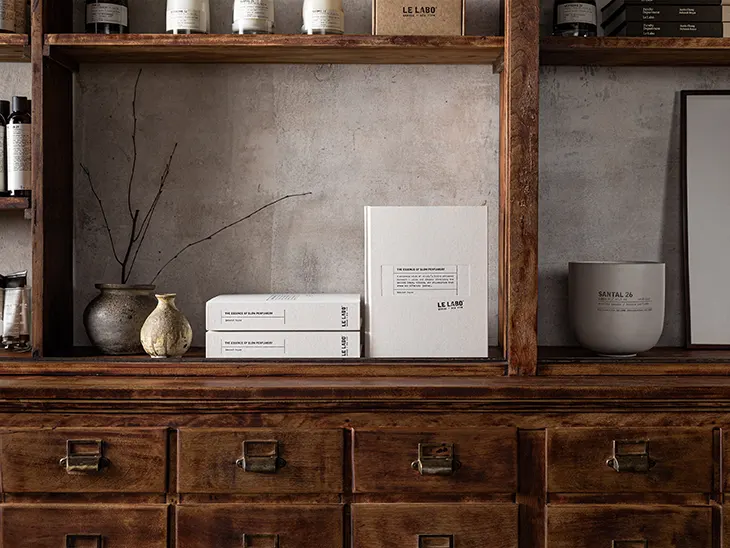
Le Labo marks its 20th anniversary with the release of The Essence of Slow Perfumery, a book written by Global Brand President Deborah Royer. The project gathers essays, images, and reflections that trace the brand’s development since its first lab opened on Elizabeth Street in New York’s Nolita neighborhood. The book presents an internal view of Le Labo, focusing on the ideas and practices that have shaped its identity over two decades.
FRAGRANCES
From the beginning, Le Labo built its approach around slow perfumery, a process defined by hand-blending fragrances on site at the moment they are ordered. This method places attention on timing, material, and human interaction, shaping each fragrance through direct engagement. Over time, this approach formed the foundation of the brand’s expansion across cities.
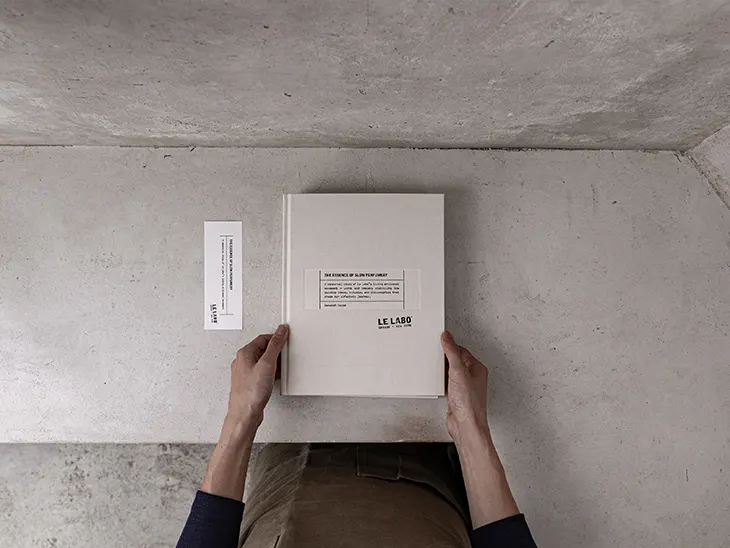
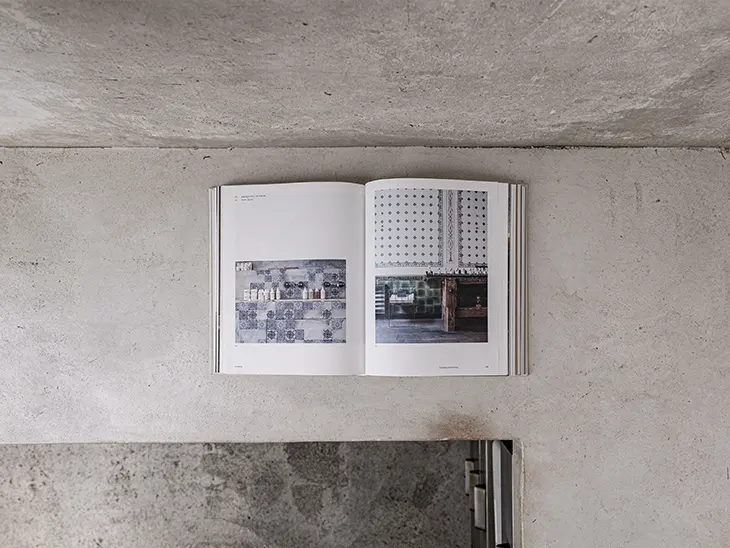
Royer’s book organizes these ideas across ten chapters, each addressing a different aspect of Le Labo’s philosophy. The text explores the tactile nature of making, the influence of environments that encourage stillness, and the role of time as both guide and measure. It also reflects on the Japanese practice of wabi-sabi, which informs the brand’s understanding of imperfection and change.
The publication draws from Le Labo’s archives, bringing together images, notes, and fragments that document its evolution. It includes moments collected over time, as well as reflections that examine how scent interacts with memory. Royer describes memory as fluid and sensory, shaped through impressions rather than fixed narratives.
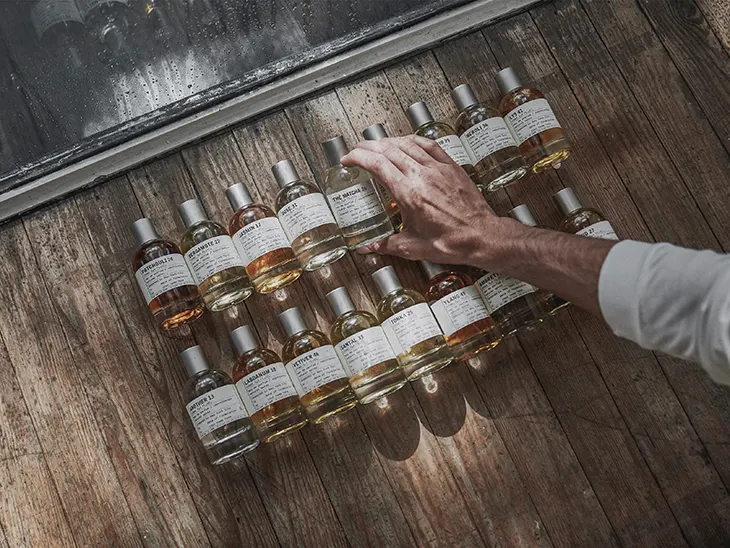
Royer frames the book as both a retrospective and an open form, avoiding a fixed conclusion. She approaches the project with an understanding that the brand’s story continues to develop. This perspective aligns with the principles of wabi-sabi, where completion remains out of reach and meaning shifts through experience.
In conversation, Royer reflects on the consistency of Le Labo’s founding ideas. She explains that the original manifesto continues to guide daily decisions, shaping how the brand maintains its approach despite external pressures. The process of hand-blending fragrances remains unchanged, preserving a system that relies on time and attention rather than automation.
Royer also reflects on the role of place in shaping Le Labo’s identity. She points to Grasse as a site of learning, where the rhythm of perfumery influenced the brand’s early development. In contrast, New York introduced a faster pace, leading to the creation of the first lab in Nolita as a space where process could remain visible. Later, the opening of a Machiya in Kyoto extended this approach into a context that aligned with the brand’s values.
Across these experiences, Royer emphasizes the role of scent as a shared language. She describes it as a medium that connects individuals through memory and perception, allowing each fragrance to take on new meaning through use. This exchange forms part of the brand’s ongoing development, where each interaction contributes to its direction.